On 31 August-5 September 2026, City Space Architecture, in collaboration with Ecocity Builders, led the City SPARK delegation on an immersive study visit across Bologna, Milan, and Venice. Bringing together participants from different countries, the program focused on observing and discussing key themes of urban life and public spaces such as mobility, pedestrianization, heritage preservation, tactical urbanism, and cultural development. Through site visits, case studies, and ongoing exchanges, the group explored how these cities structure and activate public space, fostering a deeper understanding of different urban practices.
City SPARK was accredited to providing high-quality, actionable education according to the rigorous standards of the American Institute of Certified Planners (AICP).
Ecocity Builders is a pioneering nonprofit based in Oakland, California and Missoula, Montana, dedicated to sustainable urban planning. With a focus on urban ecology and healthy cities, they champion pedestrian-oriented development, resource efficiency, and biodiversity. Their innovative initiatives, like the Ecocity Standards, support communities worldwide to build more resilient, equitable urban environments.
FULL PROGRAMME
Bologna
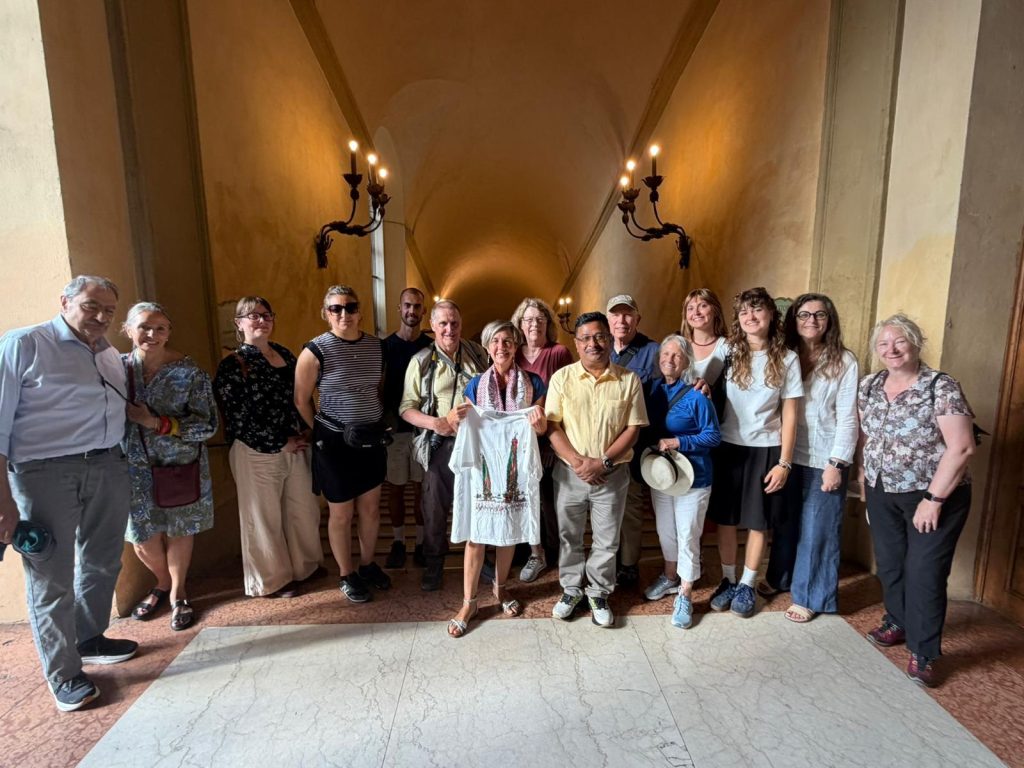
We started our study trip in Bologna’s historic core, experiencing how the city balances its historical urban fabric with contemporary people-centered transformation. We explored pedestrianized streets, lively public spaces, and key initiatives around the city. We also learned about climate-focused planning tools and new tram developments shaping the city’s future.
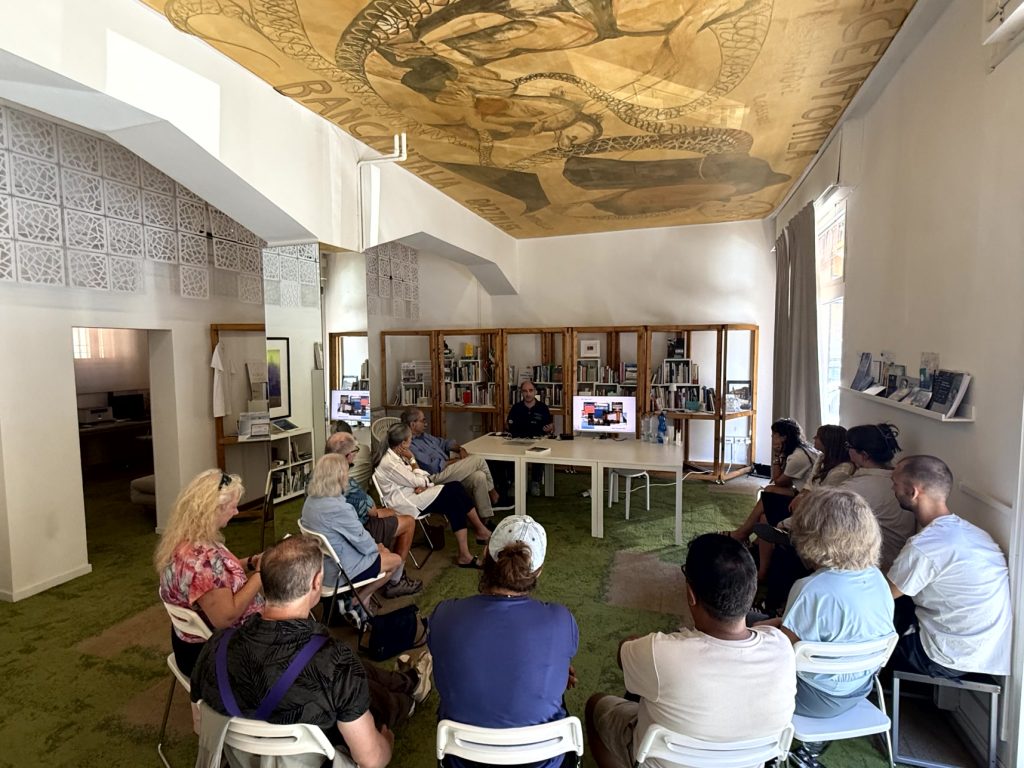
Deputy Mayor Anna Lisa Boni created a welcoming space for dialogue, shared insights on European urban policy and ecological transition in Bologna. Furthermore, City SPARK delegation had an opportunity to visit the headquarters of City Space Architecture, Museo Spazio Pubblico, where open discussions were held on topics about public space and community resilience that framed Bologna as a living lab for urban innovation. This experience was further enriched by a training session with City Space Architecture’s Vice President Simone Garagnani on Digital Heritage: from Architecture to Artwork, featuring live demonstrations and Italian case studies that showcased how cultural institutions are preserving heritage while thoughtfully blending history with technology.
Milan
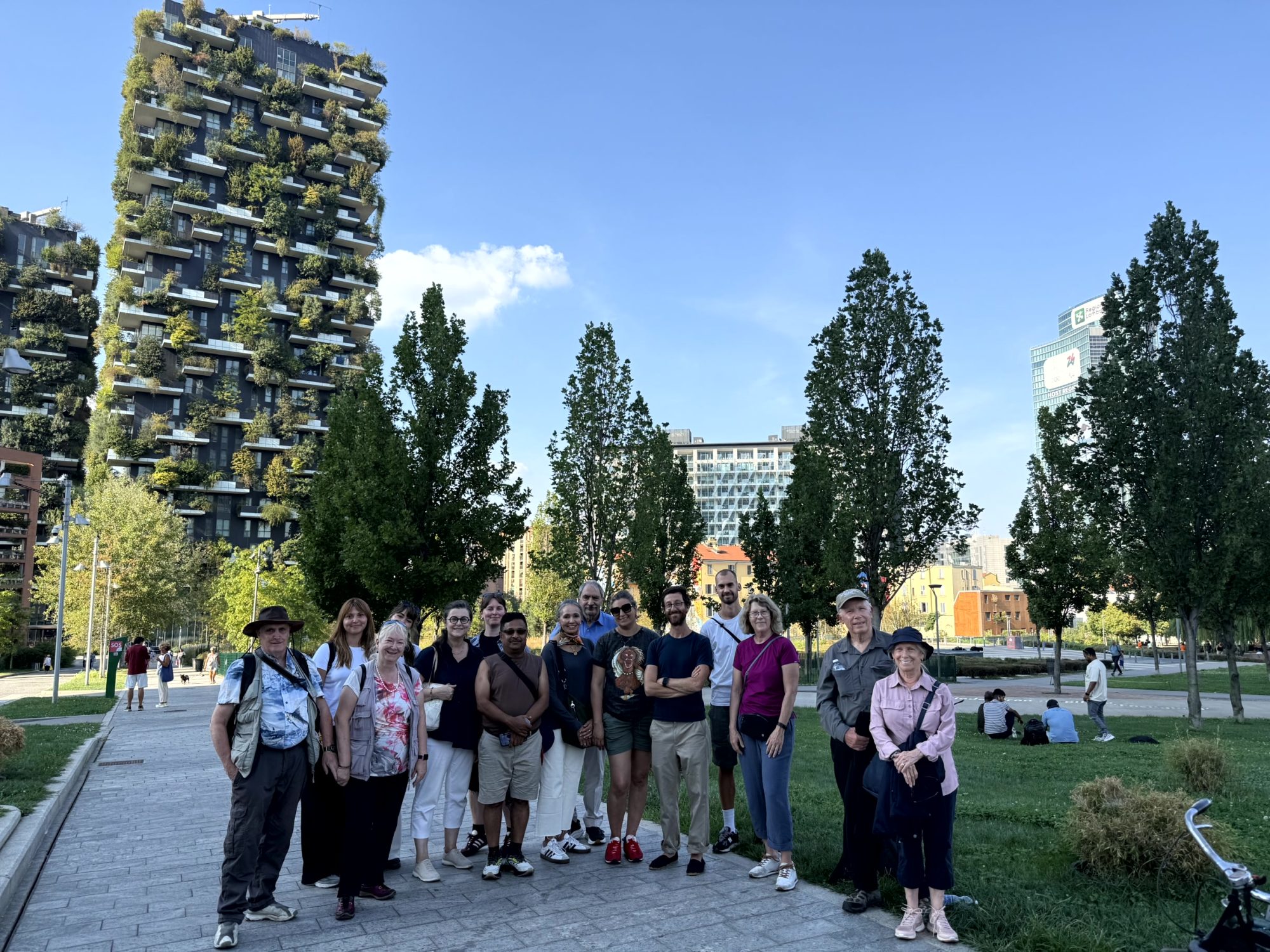
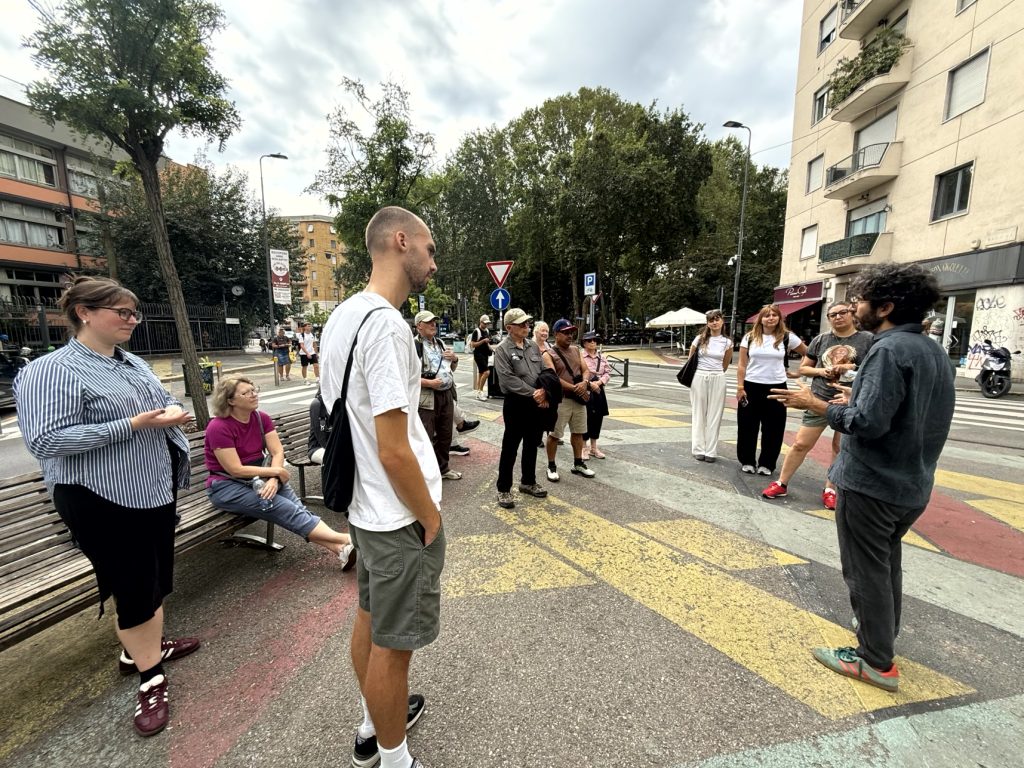
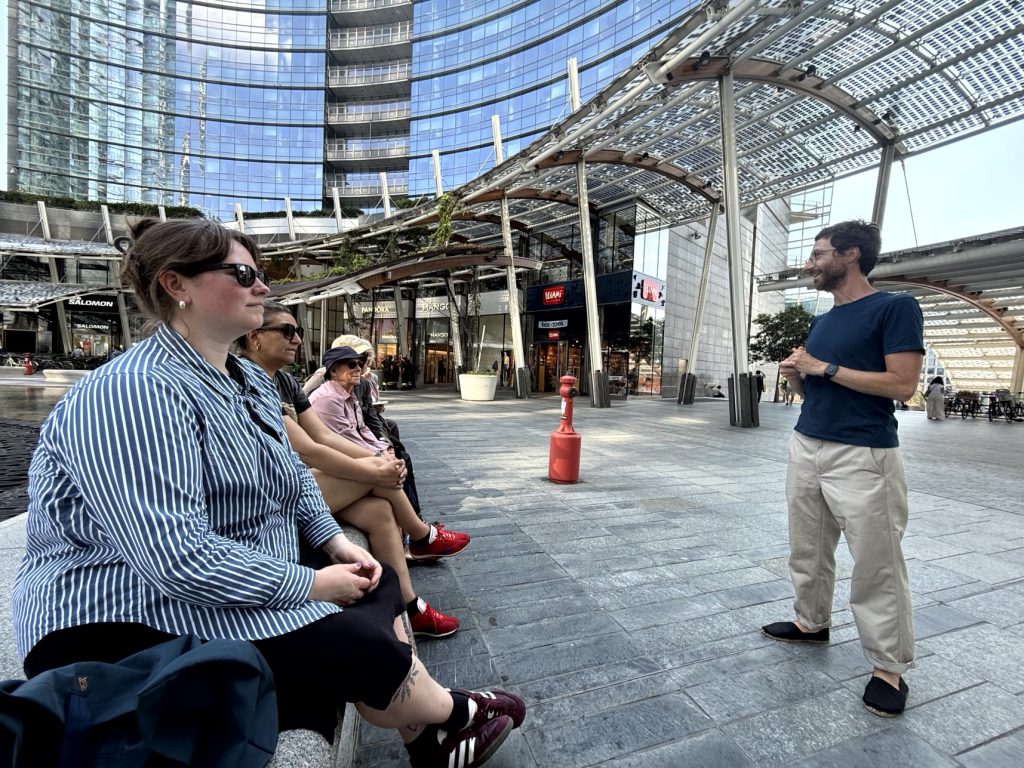
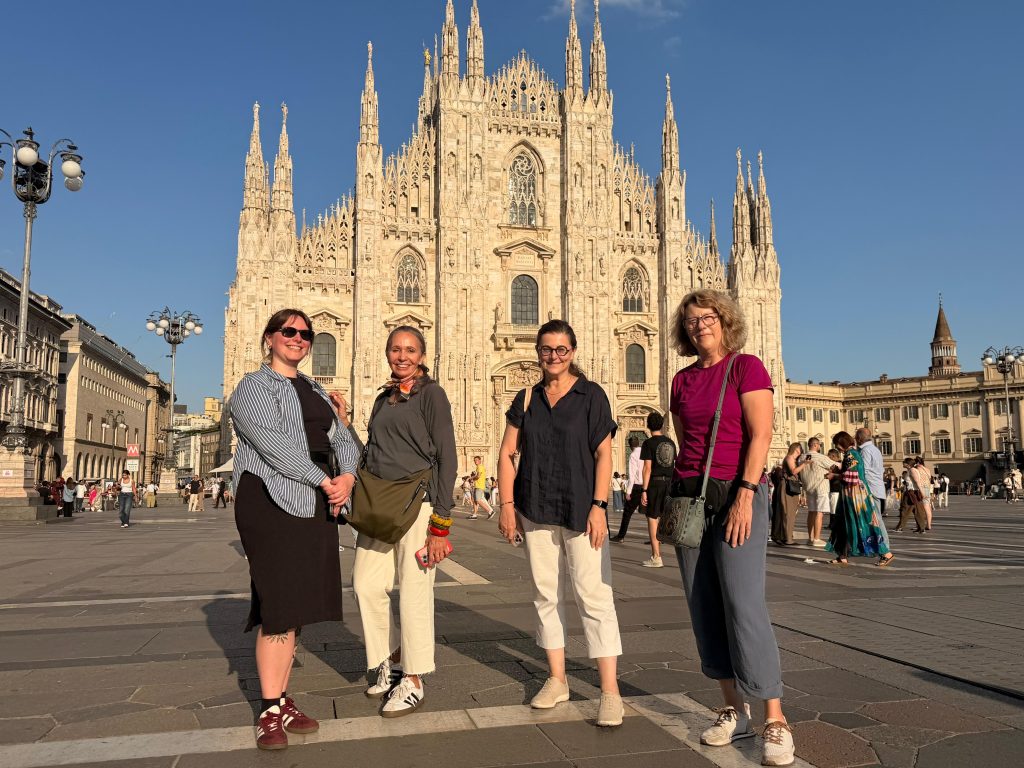
Our day trip to Milan introduced us to the city’s bold approach to public space through tactical urbanism and green infrastructure. We met with Demetrio Scopelliti, director for Urban Planning and Public Space at AMAT, Municipality of Milan, who shared insights into projects like Piazze Aperte, demonstrating quick-build interventions other known as tactical urbanism, that transform streets into people-friendly, inviting, and engaging spaces and explaining obstacles these places face everyday. Out in the city, we explored these changes firsthand before continuing with architect Diego Terna, author of the book Milan Public Space, who guided us through Porta Nuova, including Piazza Gae Aulenti and the Biblioteca degli Alberi near the Bosco Verticale, revealing the challenges faced by both privately and publicly owned public spaces in contemporary Milan. Before we headed back to Bologna, we crowned our productive Milan trip with a magnificent view of Duomo di Milano and its surroundings.
Venice
Lastly, our two days visit to Venice immersed us in a city shaped by adaptation, where water, heritage, and daily life are in constant negotiation. We explored themes of resilience, balancing mass tourism with local livability, and water-based infrastructure, including a session at UNESCO Venice with director Magdalena Landry and visit at Procuratie Vecchie, interactive exhibition of the Human Safety Net. We observed the contrast between historic preservation and contemporary urban life.
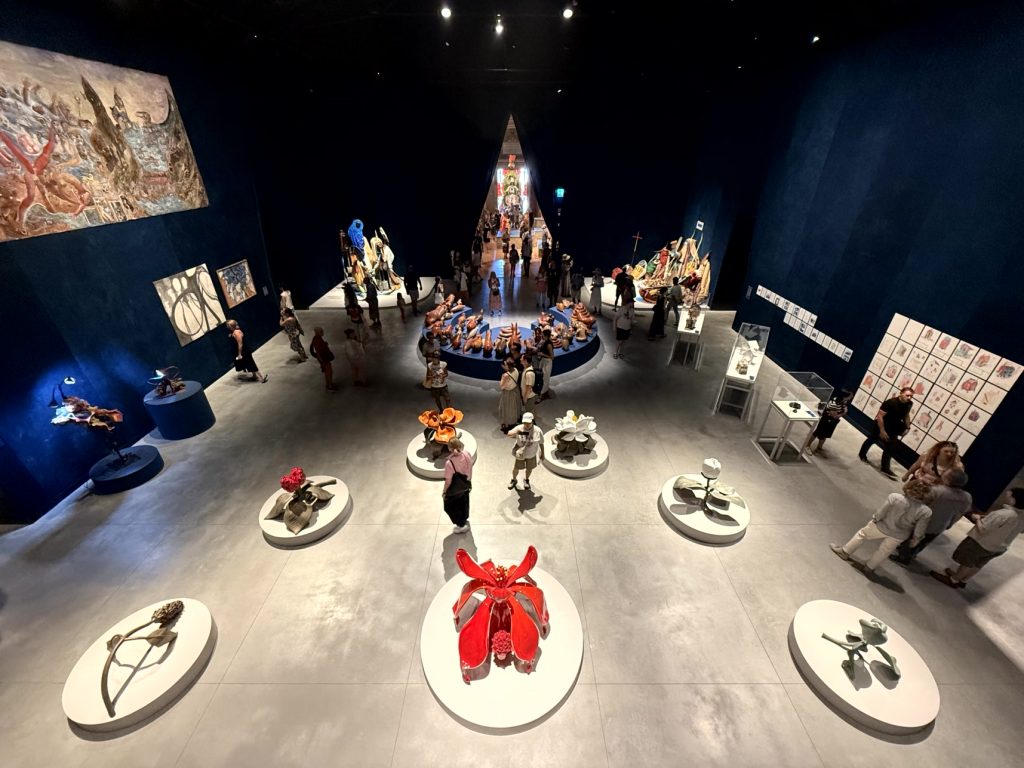
The experience concluded at the Venice Art Biennale, In Minor Keys, conceived by the late Koyo Kouoh and brought to life by her dedicated curatorial team, offering a reflective lens on resilience and creative resistance within one of the world’s most unique urban environments.