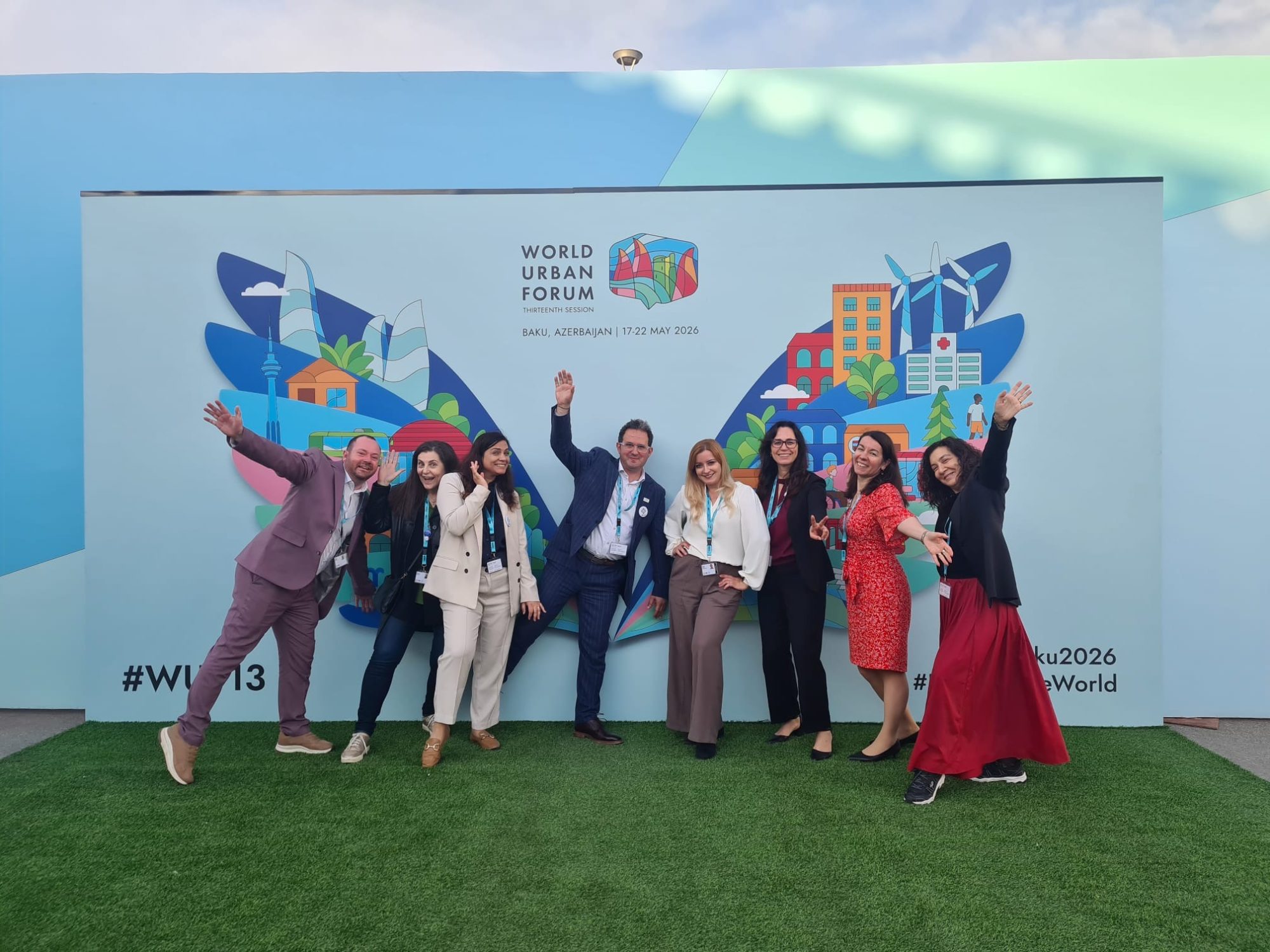
City Space Architecture was extremely proud to participate in the 13th session of the World Urban Forum, convened by UN-Habitat, taking place in Baku, Azerbaijan, on 17-22 May 2026, under the theme “Housing the world: Safe and resilient cities and communities”.
Adequate housing is a human right; yet around the world almost three billion people live in inadequate housing. More than 1.1 billion people live in informal settlements, and 300 million are homeless. The housing crisis goes far beyond the need for more buildings and shelter, as housing affects health, safety, equality economic productivity, political stability, and many other aspects of human wellbeing.
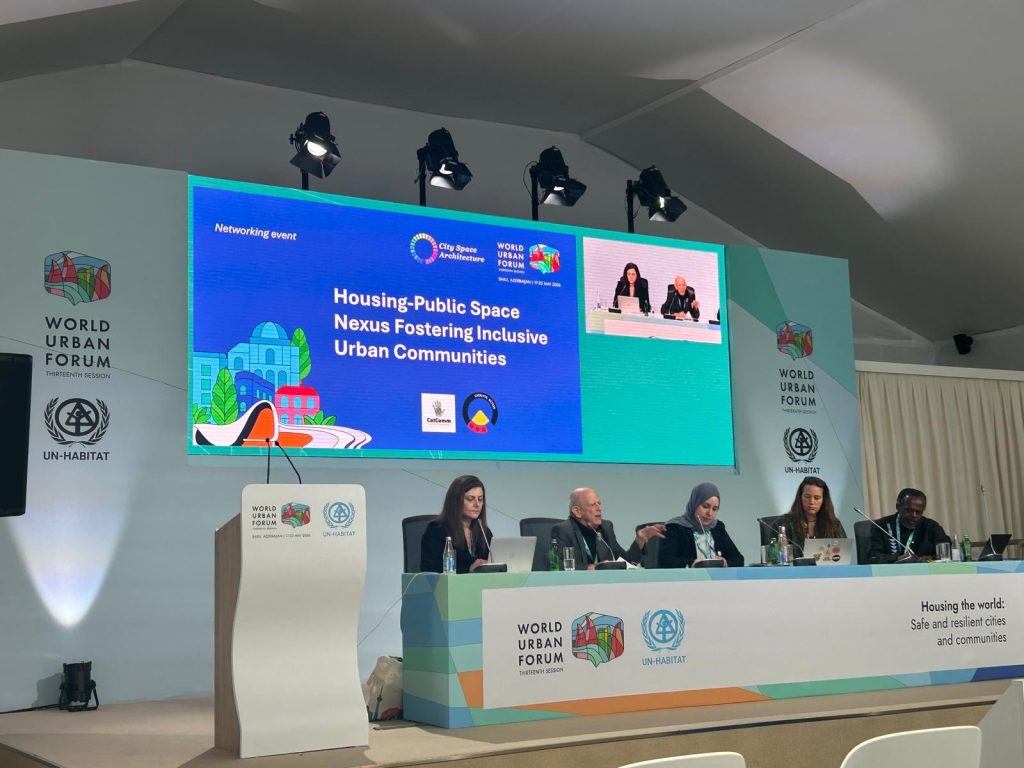
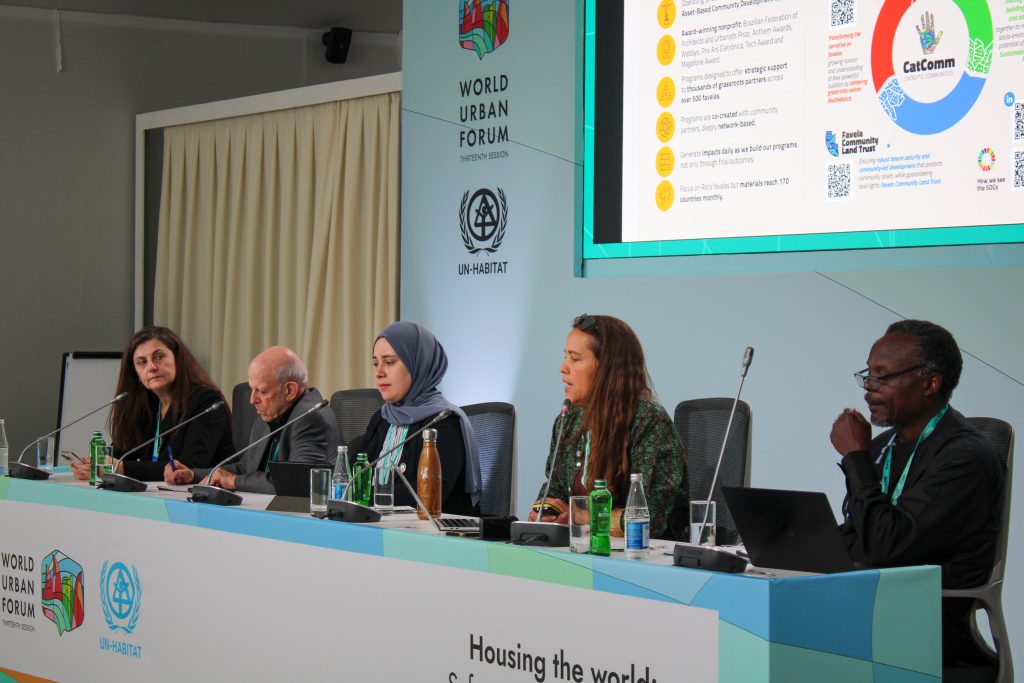
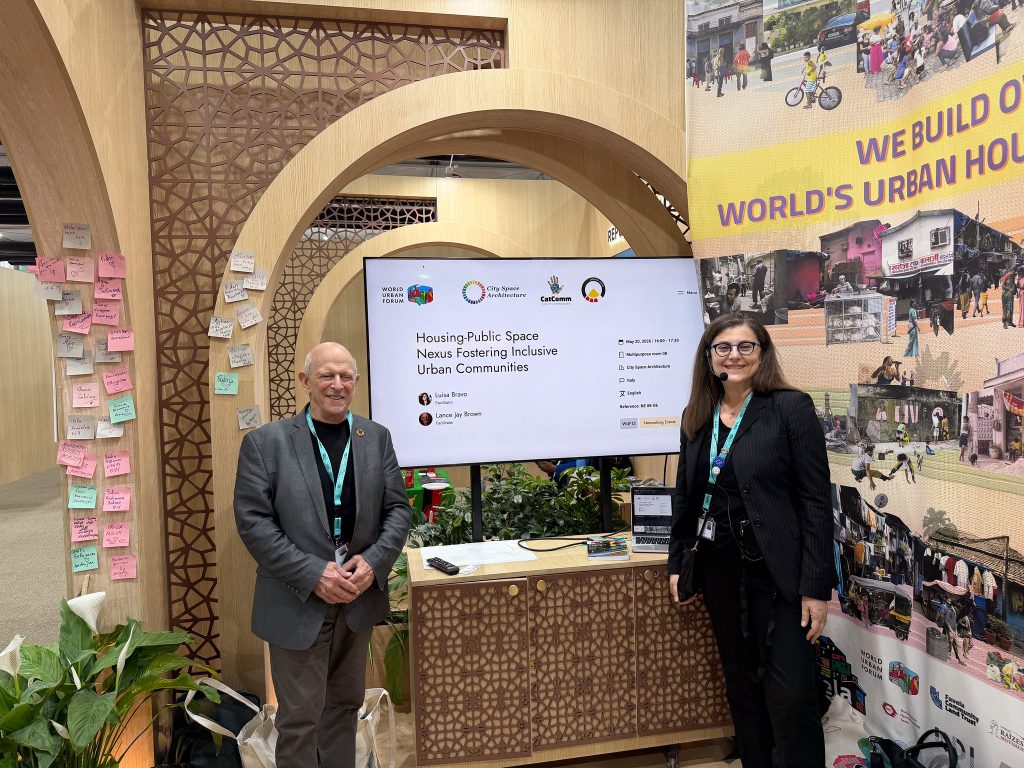
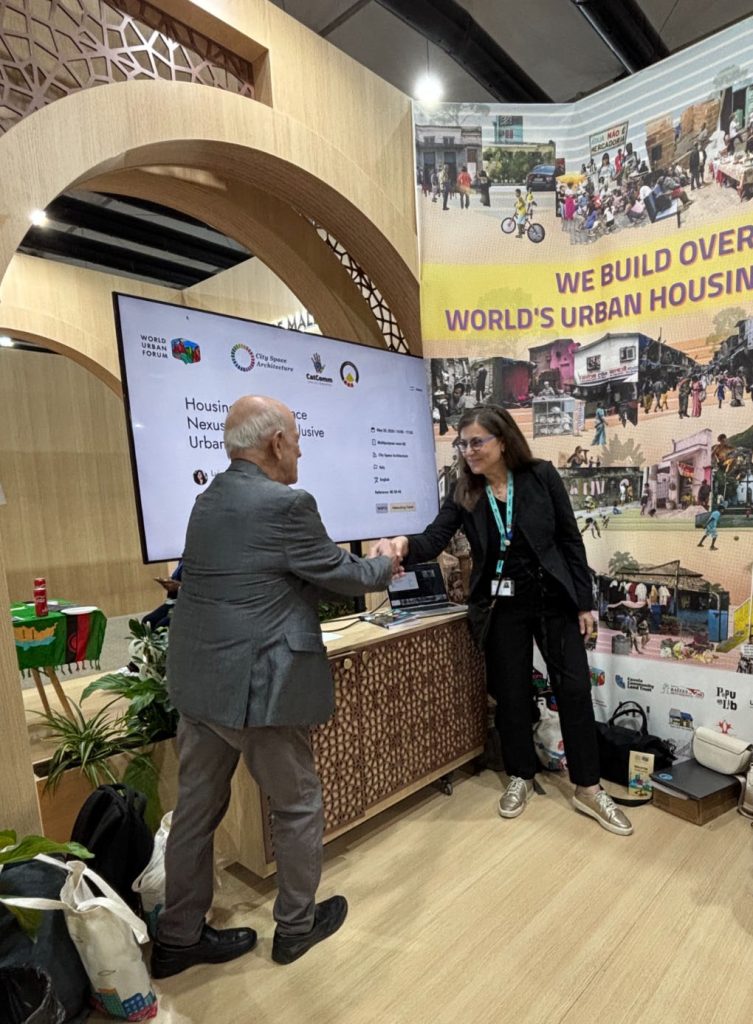
Our networking event on “Housing-Public Space Nexus Fostering Inclusive Urban Communities“, promoted by City Space Architecture in partnership with Catalytic Action (United Kingdom) and Catalytic Communities (Brazil), included in the official programme of the Forum, explored the critical intersection between housing policies and public space design in creating sustainable and equitable urban environments. It brought together urban planners, housing developers, public space designers, and community advocates to examine how residential developments can better connect with and enhance the quality of the public realm for spatial justice and community integration. The key aim was two-fold: first, to foster and champion cross-sector partnerships to demonstrate how quality public space can be fully integrated to enable inclusive communities; and second, to articulate tangible, transferable policy recommendations that treat housing and public space as interconnected systems, essential to achieving urban liveability and enhancing social cohesion.
Housing-Public Space Nexus Fostering Inclusive Urban Communities
Facilitators

Ms. Luisa Bravo
Founder and President
City Space Architecture, Italy
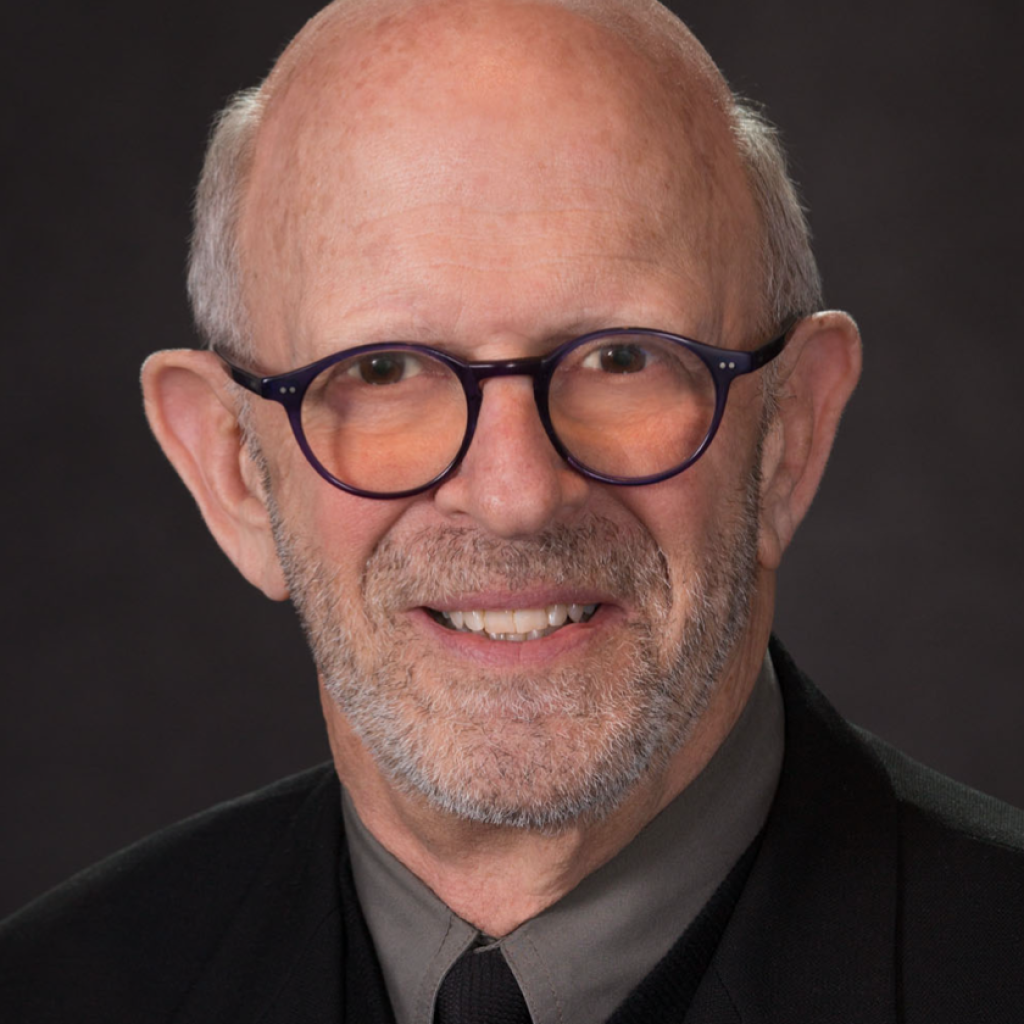
Mr. Lance Jay Brown
Co-Chair
UN-Habitat Professional Forum, USA
Panelists

Ms. Theresa Williamson
Founder and Executive Director
Catalytic Communities, Brazil
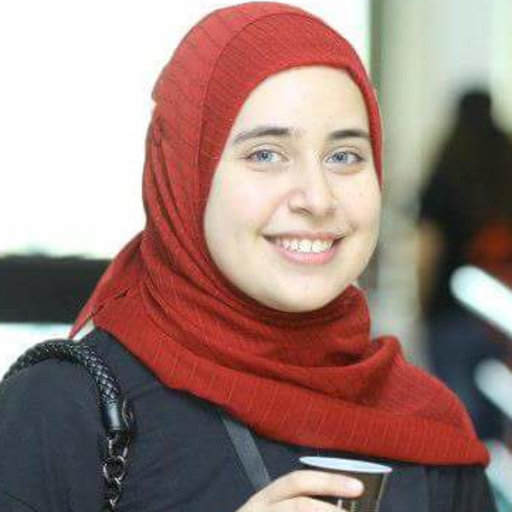
Ms. Sara R. Maassarani
Training & Engagement Lead
CatalyticAction, Lebanon
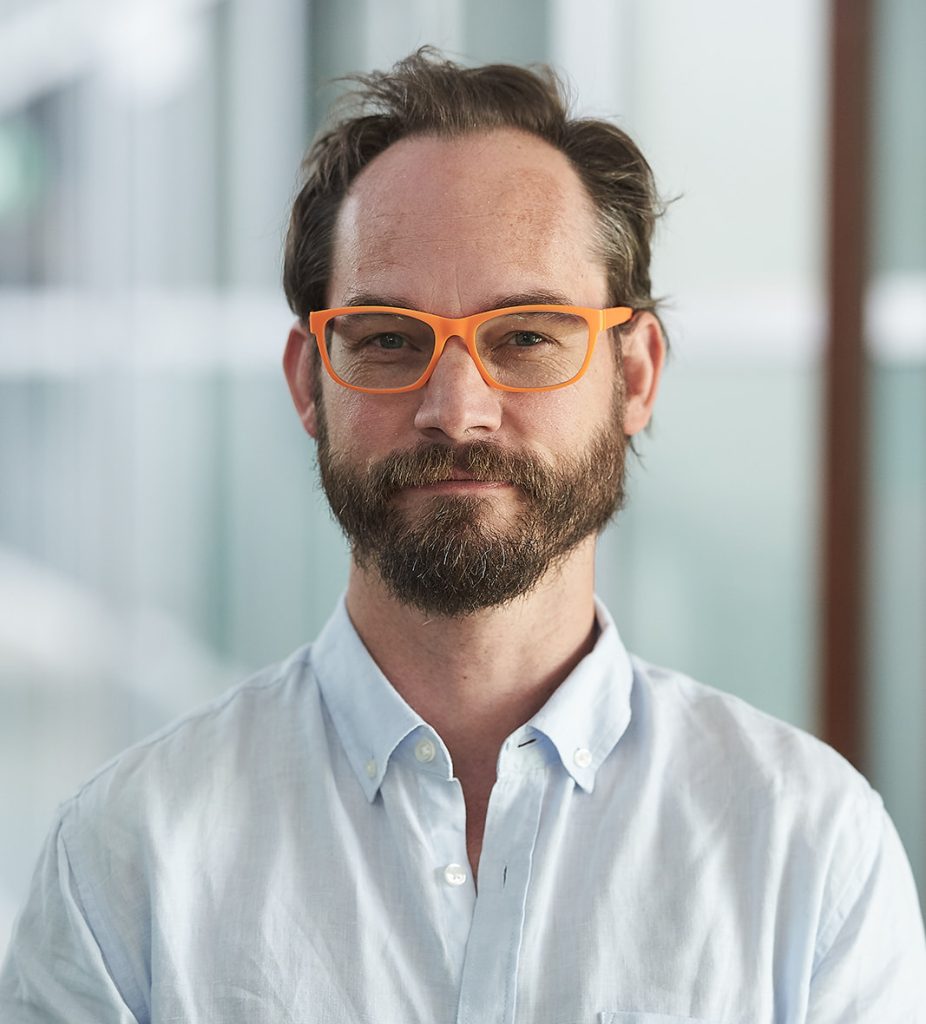
Mr. Gregor Mews
Lecturer
University of the Sunshine Coast, Australia
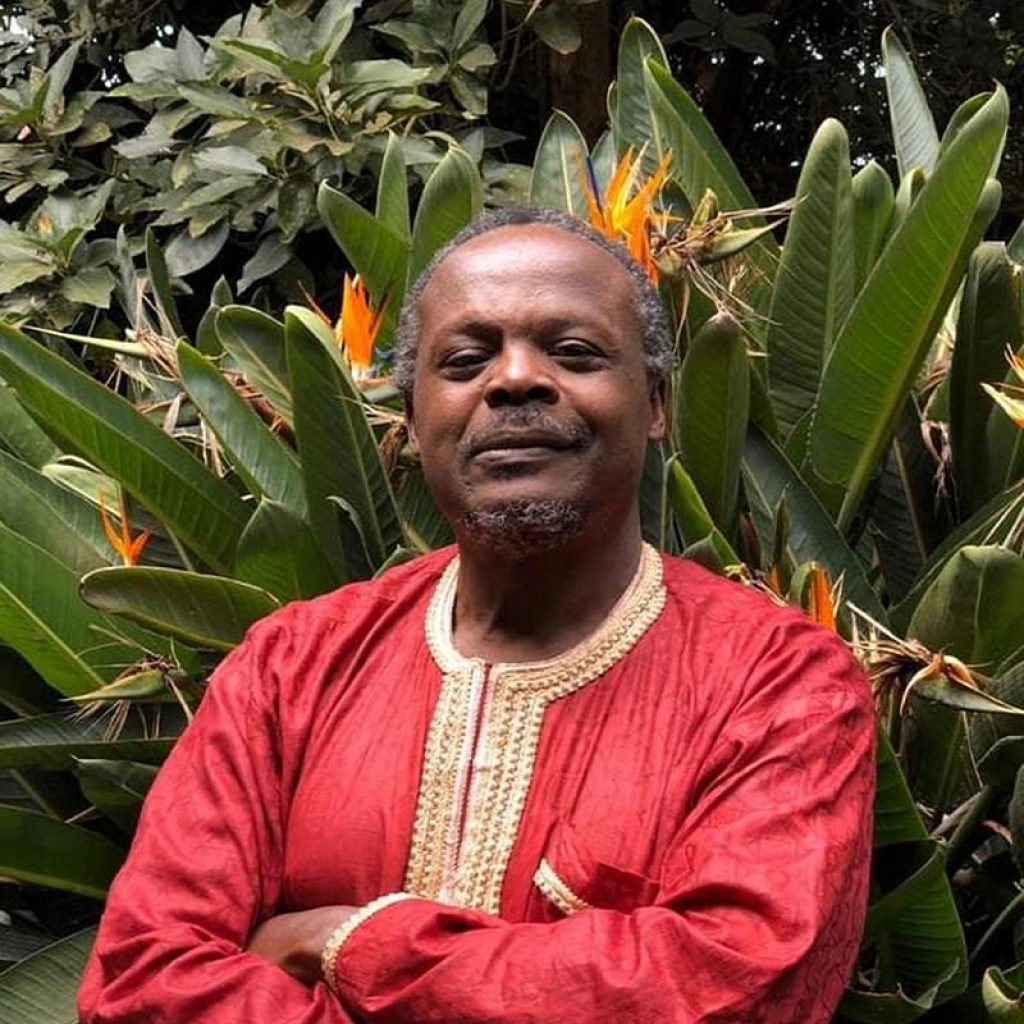
Mr. Vincent Kitio
Head of the Urban Energy Unit
UN-Habitat, Kenya

Mr. Theodore Liebman
Principal
Perkins Eastman, United States of America
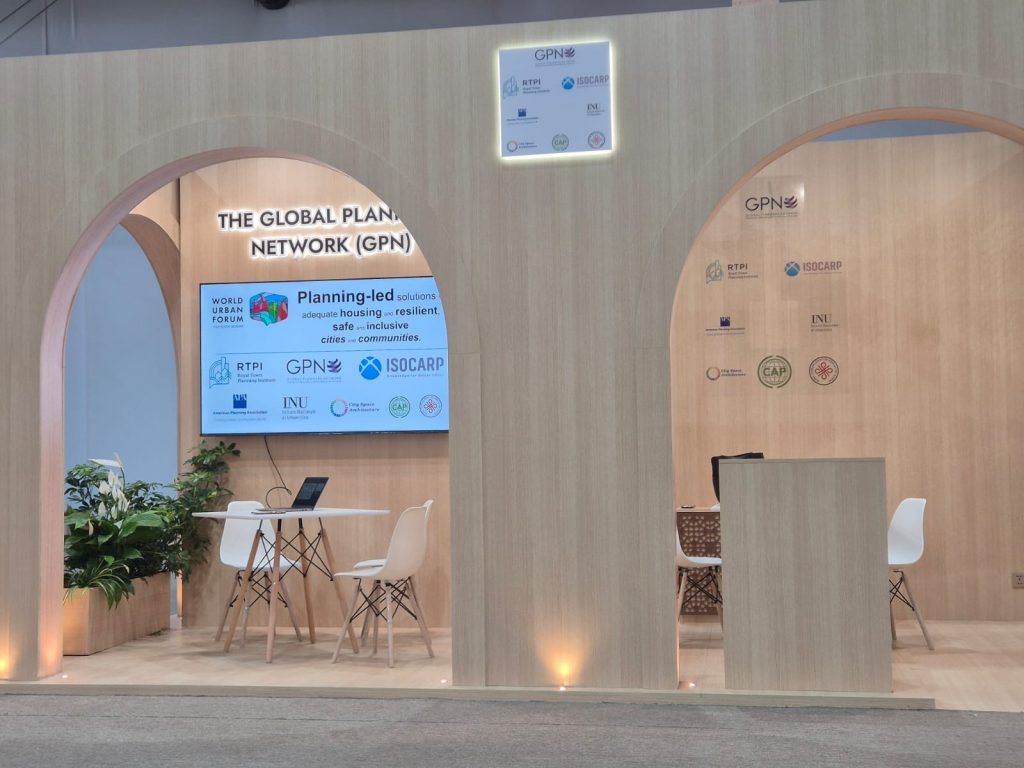
In addition, we partnered with GPN (Global Planners Network), an alliance of global planning institutions that promotes sustainable development, to set-up an exhibition at the Urban Expo on “Planning-led solutions for adequate housing and resilient, safe and inclusive cities and communities”. City Space Architecture joined GPN in 2024 to advocate for public space in strategic planning.
Planning is central to unlocking inclusive and equitable solutions to global challenges. Planners are essential to developing healthy, socially inclusive, and economically and environmentally sustainable communities, delivering adequate homes and resilient places that work for people and planet. A joint initiative by the Global Planners Network led by the Royal Town Planning Institute (RTPI), the International Society of City and Regional Planners (ISOCARP) together with the American Planning Association (APA), the Commonwealth Association of Planners (CAP), City Space Architecture (CSA), the Italian National Institute of Urban Planning (INU) & the Global Planning Education Association Network (GPEAN).
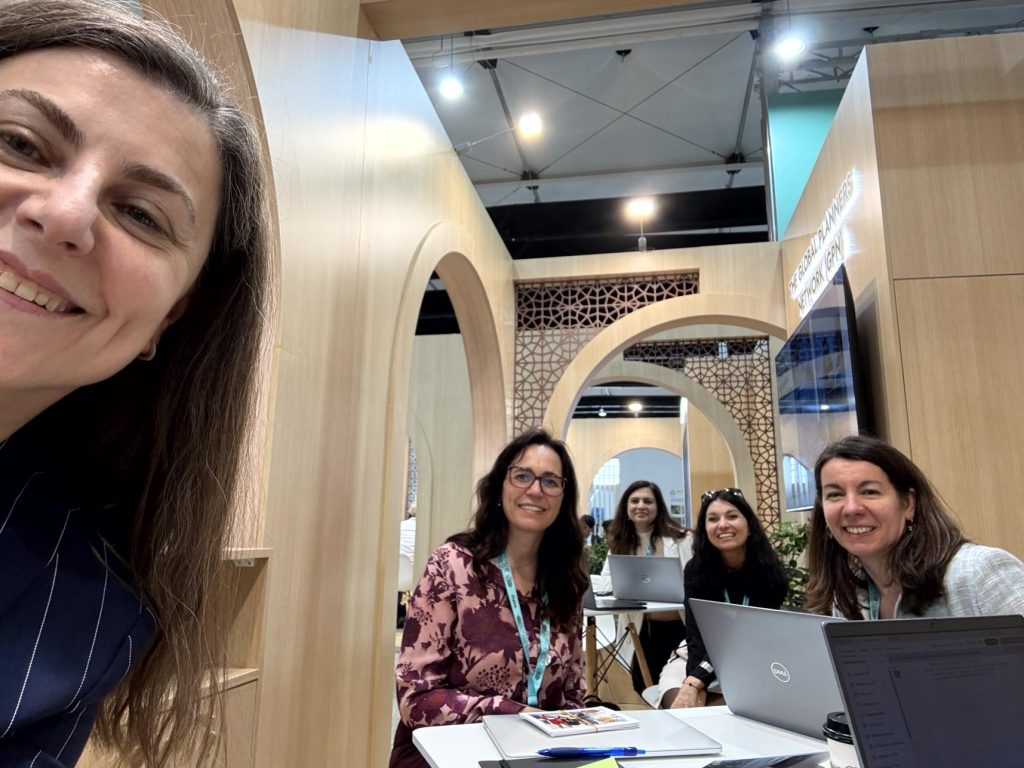
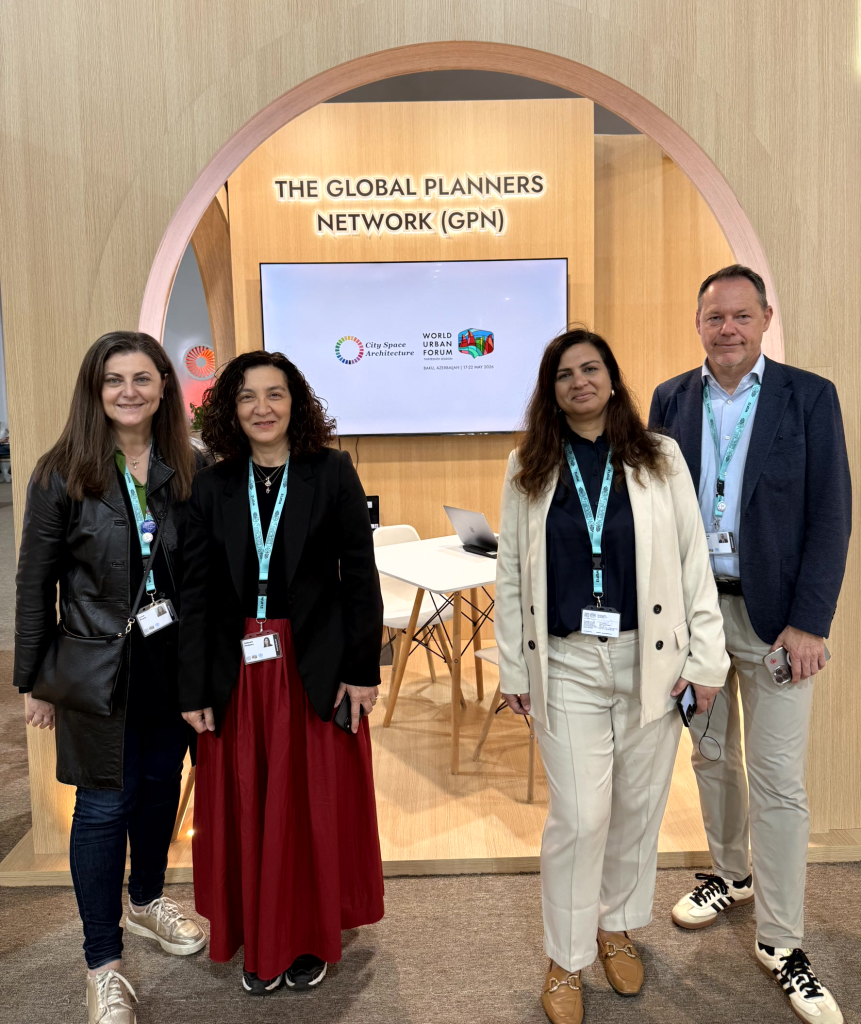
From left to right City Space Architecture delegates at the 13th World Urban Forum in Baku (2026): Luisa Bravo (Italy), Sebnem Hoskara (Cyprus), Nadine Bitar (United Arab Emirates) and Hendrik Tieben (Hong Kong).
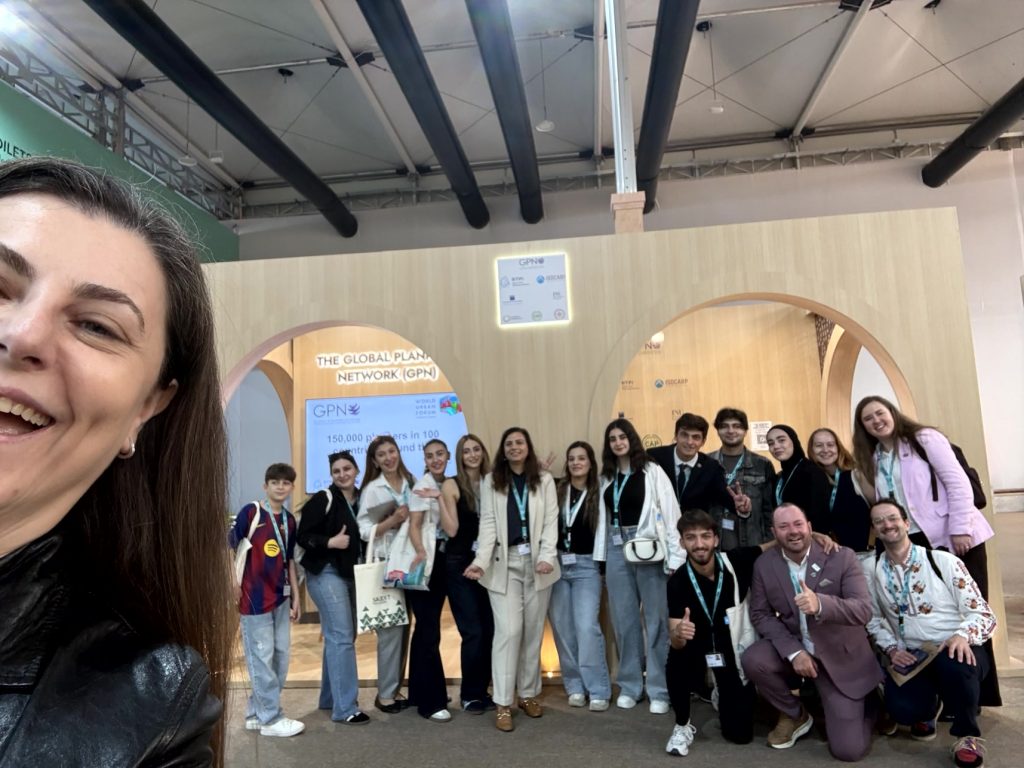
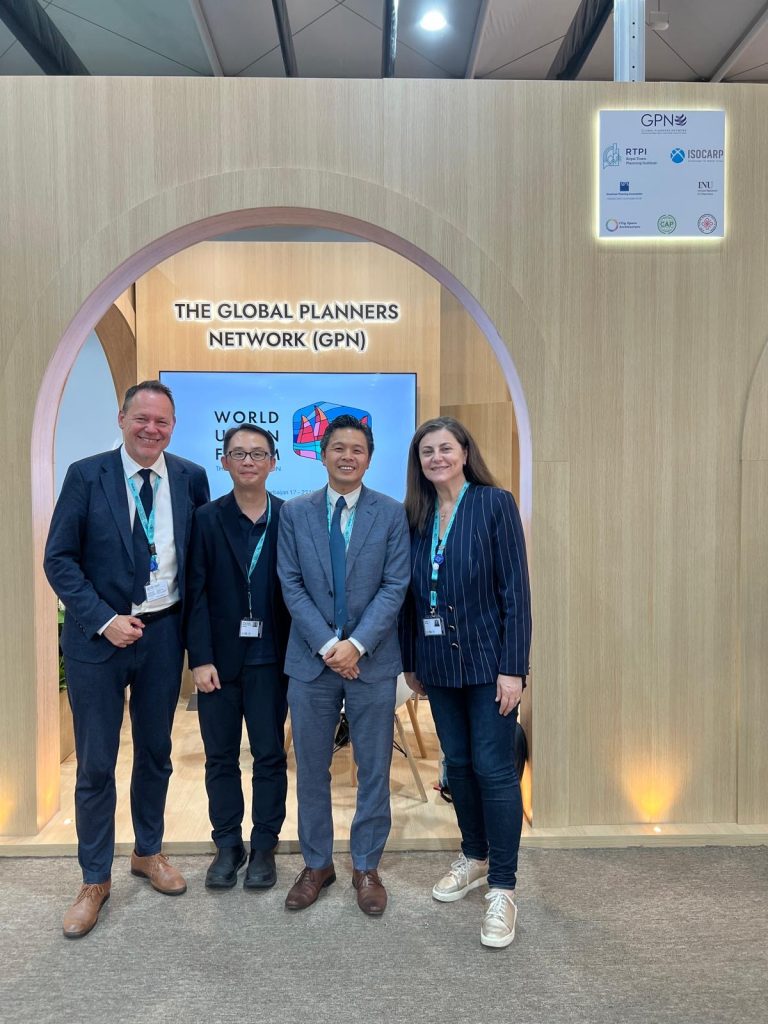
From left to right: Hendrik Tieben (Full Professor at the Chinese University of Hong Kong), Thomas Chung (Co-Chair UIA Working Group on Public Spaces, Hong Kong), Jose Chong (UN-Habitat, Leader of the Global Public Space Network, Kenya), Luisa Bravo (Founder and President of City Space Architecture, Italy).
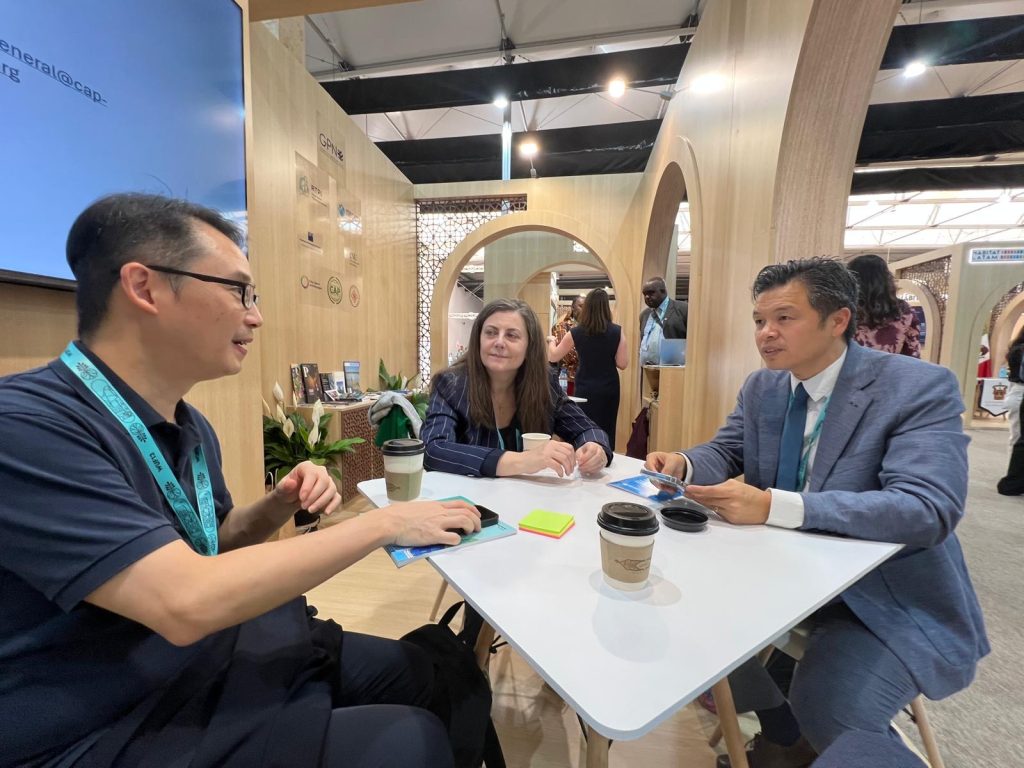
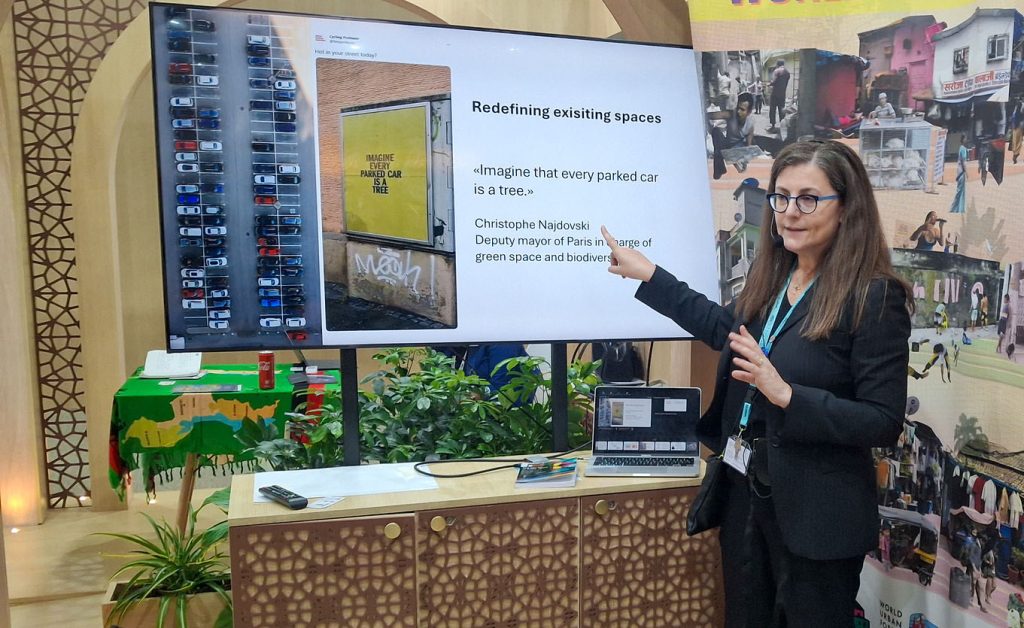
City Space Architecture presented its key projects at the booth, while our members contributed to the exhibition with an overview of the amazing interdisciplinary work they are developing across disciplines and continents.
City Space Architecture remains fully committed to advancing our advocacy on public space through diverse collaborations and institutional engagements, in order to strengthen and promote the understanding of public space as a fundamental human right.
We also partnered with Catalytic Communities based in Rio de Janeiro to support the exhibition “Favela Hub: 100% Homegrown”, developed in collaboration with City Space Architecture (Italy), Asian Coalition for Housing Rights (Nepal), CSDU at the Colombia Climate School (NY), Community Design Agency (Mumbai), Consortium for Sustainable Urbanization (NY), The Danish Academy Institute of Architecture (Copenhagen), Geres (Aubagne), Habitat for Humanity International, Local Learning Studio (NY), Populab (Cali), SDI (Cape Town), Social Capital Initiatives, SPARC (Mumbai), Sustainable Urbanism/Department of Architectural Engineering at Cairo University, TETO Brasil (São Paulo), Turning Tides (Worthing/UK), UrbaMonde (Geneva), Urban Poor Consortium (Jakarta), and World Habitat (UK).
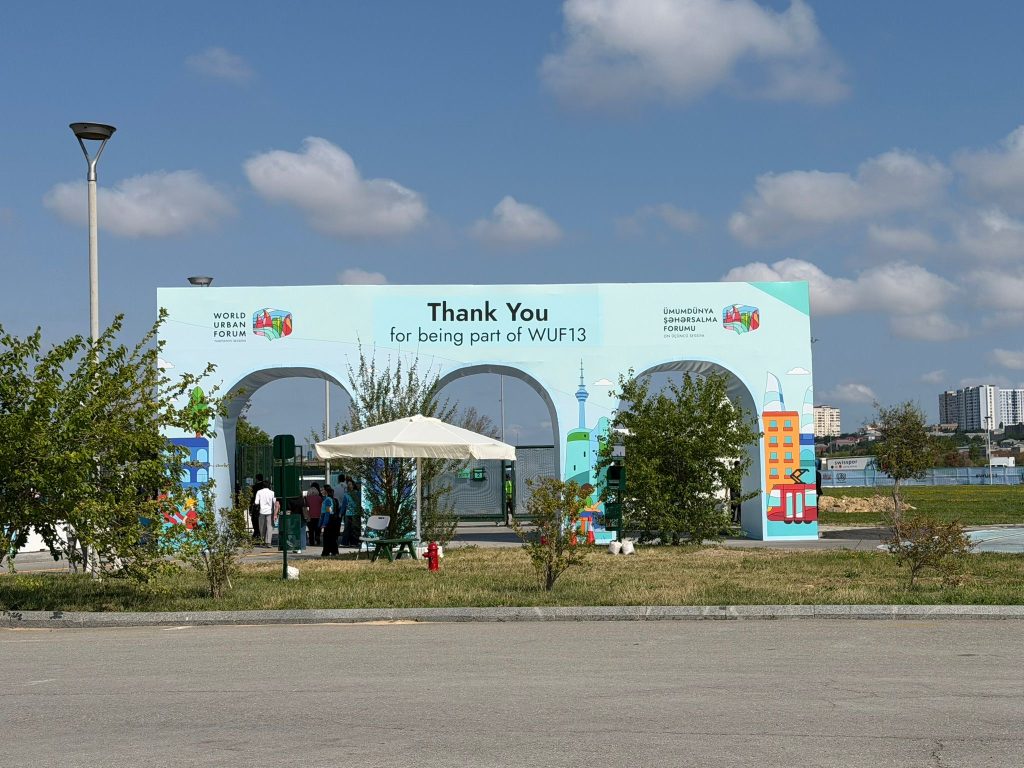
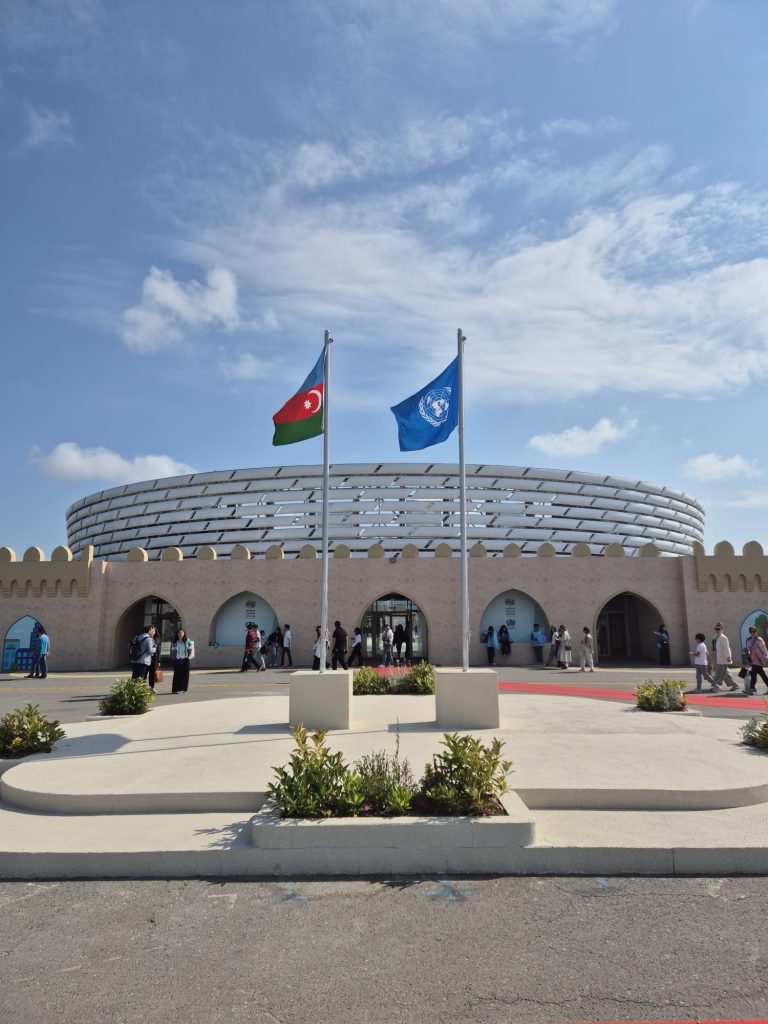
The thirteenth session of the World Urban Forum (WUF13) in Baku, Azerbaijan concluded with superlatives — and a splash — that underscored how WUF has grown over nearly a quarter-century from humble roots to a gathering that has galvanized a global movement. Attendees continued to stream into the Baku Olympic Stadium on the Forum’s closing day, bringing total participation to over 57,000 (including at least 3,000 online) from 176 countries. The figures make WUF13 the largest ever in the event’s 24-year history, surpassing even the numbers at the once-every-generation Habitat III conference in Quito, Ecuador in 2016. This year’s Forum also achieved gender parity, with over 55 per cent of attendees identified as women and girls.
“We met at a moment when the global housing crisis has reached unprecedented scale, affecting billions of people through affordability pressures, displacement, informality, climate vulnerability and declining conditions of harm,” said UN-Habitat Executive Director Anacláudia Rossbach. The discussions here in Baku have reinforced the clear message: housing must be placed at the centre of integrated urban policy, linking land, infrastructure, climate action, finance and governance.”
Delegates depart Azerbaijan with the Baku Call to Action, an inspiring outcome document with 15 recommendations driven by an intensive week of stakeholder engagement not only with the participation of government officials, but also representatives of civil society, academia and the broader public. They return to their home countries, cities and communities with inspiration and purpose.
They also leave with an invitation, as shared by Mexico’s Ambassador to Azerbaijan Maria Victoria Romero Caballero, to check back in on their progress in two years at WUF14 in Mexico City (2028). That invitation came in the form of a traditional Mexican expression: Mi casa es tu casa. My house is your house.