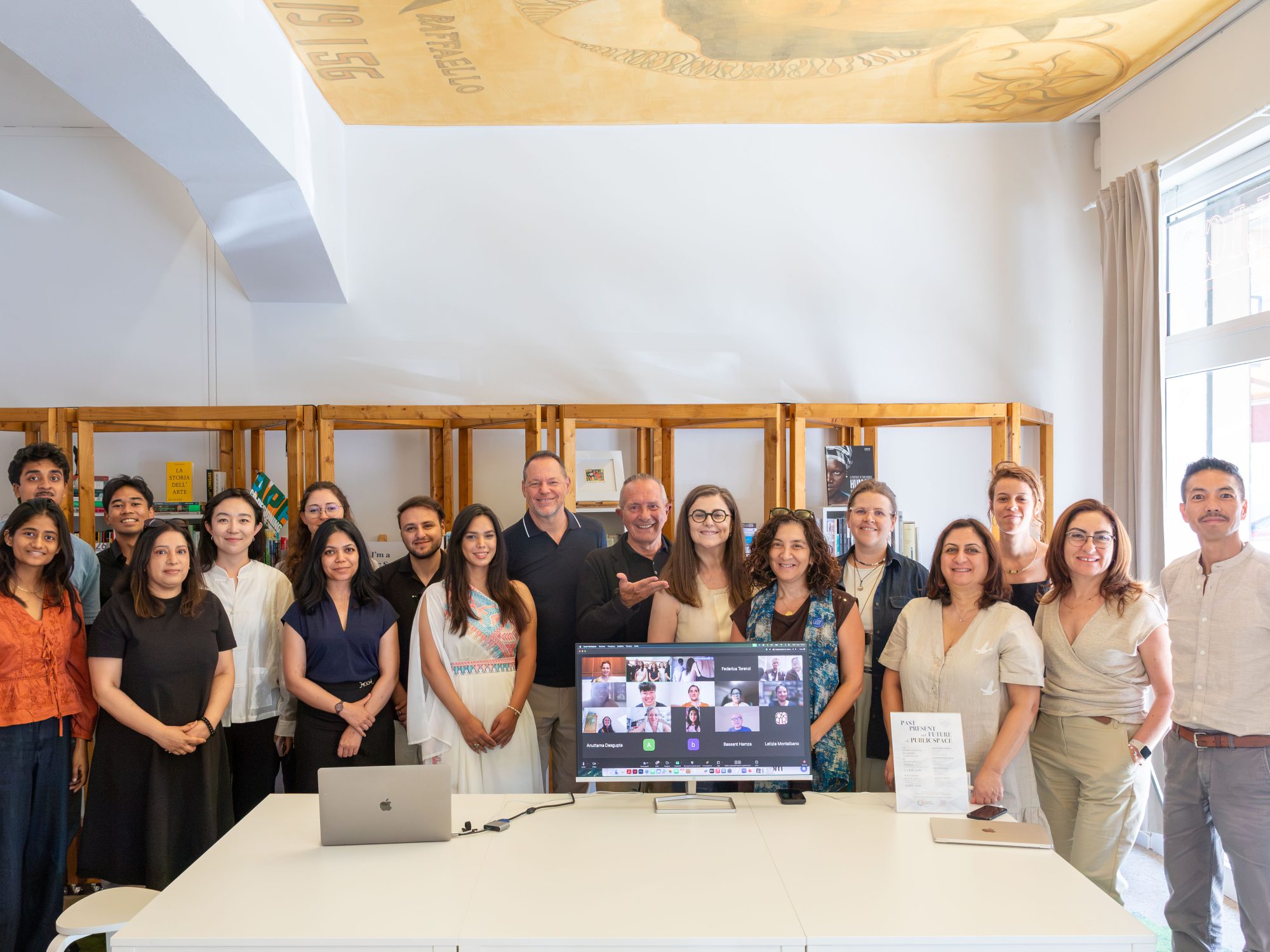
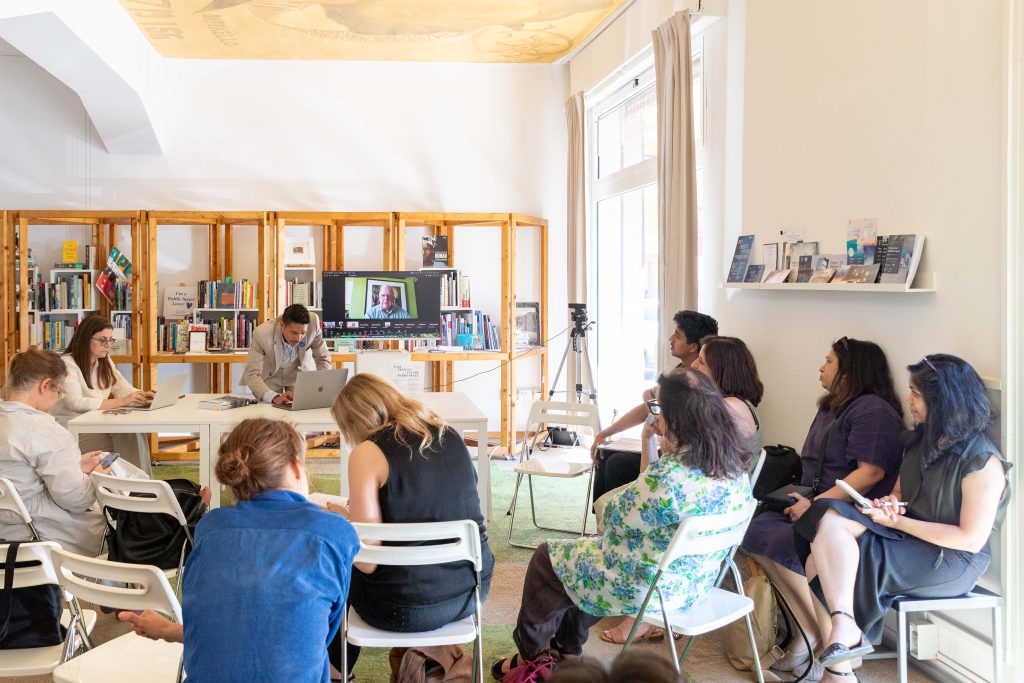
City Space Architecture hosted the sixth edition of the international, interdisciplinary academic conference “Past Present and Future of Public Space”, on 7-9 July 2026, in a hybrid format, with physical engagement at our operationl headquarters Museo Spazio Pubblico in Bologna. The conference continues a long-term commitment to advancing knowledge, debate, and action on public space as a key resource for more inclusive, democratic, and sustainable cities.
The 2024 edition, organised ten years after the first conference, marked an important anniversary in this trajectory. It brought together scholars, practitioners, policy-makers, artists, and activists worldwide, reaffirming the relevance of public space as a laboratory for innovation, civic engagement, and social justice, and consolidating a global network of collaborations initiated in 2014.
In 2026, the conference opened a new phase in this conversation, addressing pressing contemporary challenges and exploring how public space can support new forms of participation, care, and collective imagination.
SCIENTIFIC COMMITTEE
The Scientific Committee includes City Space Architecture’s distinguished members of the Executive Council Board and the Scientific Committee, as well as Geographic Coordinators. Members of the Scientific Committee – comprising leading international experts in urban studies, architecture, participatory governance, and public space theory – supported the conference’s rigorous academic standards. They oversaw the peer-review process for all submissions, ensuring that presented content met excellence in research quality, methodological soundness, and relevance to contemporary urban challenges. Their involvement guaranteed a robust platform for impactful and evidence-based dialogue.
Read more about our global community.
Luisa Bravo, Founder and President, City Space Architecture, Italy
Conference Chair
Simona Azzali, Canadian University Dubai, United Arab Emirates
Maria El Helou, Academy of Neuroscience for Cities, Environments and Design, Lebanon
Kathryn Ewing, University of Cape Town, South Africa
Simone Garagnani, University of Urbino, Italy
Krity Gera, Royal College of Art, United Kingdom
Fernando Gutiérrez, University College London, United Kingdom
Sally Hamarneh, American University of Madaba, Jordan
Şebnem Hoşkara, Eastern Mediterranean University, Cyprus
Emine Köseoğlu, Fatih Sultan Mehmet Vakif University, Turkey
J. Antonio Lara-Hernandez, Auckland University of Technology, New Zealand
Paulina Lis-Meldner, Warsaw University of Technology, Poland
Manfredo Manfredini, University of Auckland, New Zealand
Rossella Maspoli, Politecnico di Torino, Italy
Gregor Mews, University of the Sunshine Coast, Australia
Naveenaa Munuswamy, Global Designing Cities Initiative, India
Michelle Pannone, Marywood University, United States of America
Oscar Perrilla, Pontificia Universidad Javeriana / Um-Welt Institute, Colombia
Renelle Sarjeant, Public Space Global, Trinidad and Tobago
Jacek Ludwig Scarso, London Metropolitan University, United Kingdom
Hendrik Tieben, The Chinese University of Hong Kong, Hong Kong SAR
Parisa Ziaesaeidi, Western Sydney University, Australia
The Past Present and Future of Public Space conference series has established itself as a leading international forum for examining the evolving dynamics of urban public spaces.
PARTICIPATION (in person and online)
In February 2026 we announced multiple open calls for the 2026 conference. These calls invited diverse perspectives and methodologies, continuing our tradition of fostering interdisciplinary dialogue between academia, practice, policy-making and artistic expression in the field of public space.
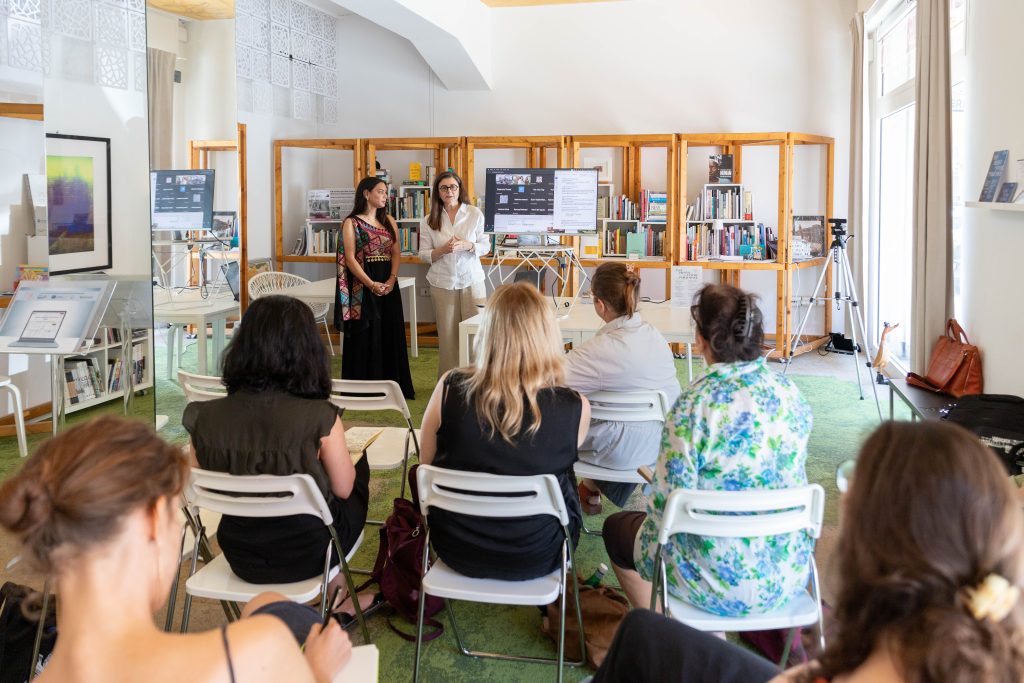
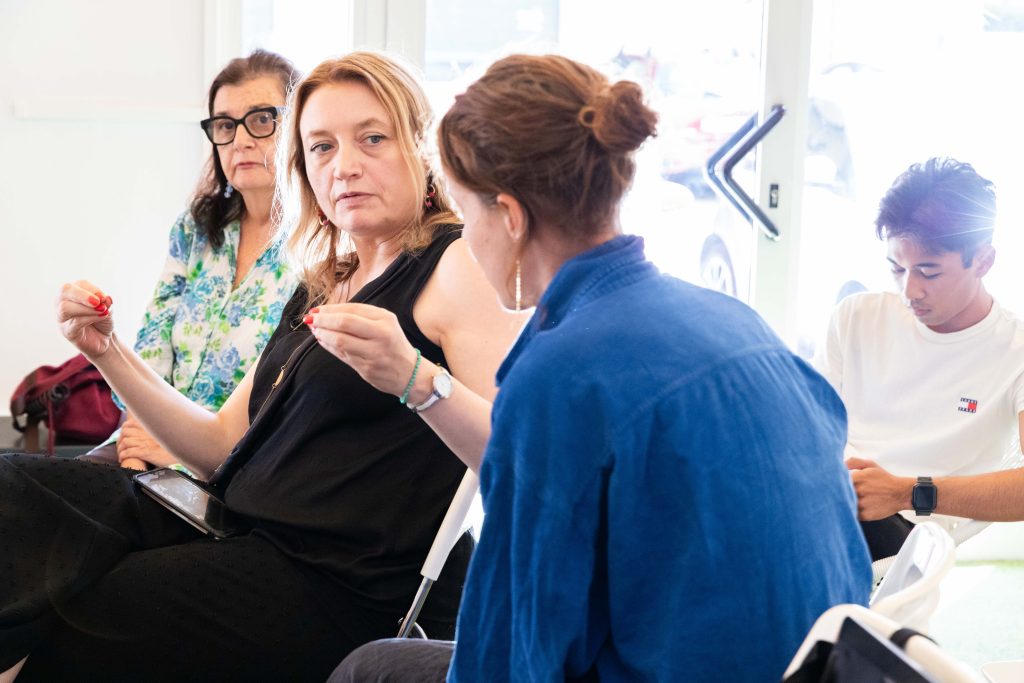
In response to the open call, the conference brought together 134 online and 21 in-person participants in Bologna, representing 48 countries across six continents, with a particularly strong representation from the Global South (including India, Bangladesh, Nigeria, Brazil, Pakistan, Indonesia, Egypt and several African countries), together with contributions from Europe, North America, East Asia and Oceania.
In order to ensure a high-quality, coherent programme that reflects our global ambition, all submissions underwent a careful review process based on clarity of argument, originality, methodological robustness, and relevance to the conference themes. This process sometimes leads to the rejection of proposals that are interesting but still too preliminary, insufficiently aligned with the call, or not yet developed enough to support a fruitful debate.
A rejection rate of around 25% reflects our commitment to curate a programme that is both internationally diverse and intellectually rigorous. It allowed us to welcome a wide range of perspectives while ensuring that each contribution meets shared standards and that sessions remain focused, balanced, and generative for all participants. It also reflected a deliberate decision not to use high rejection as a marker of prestige. We aimed to maintain clear academic standards while opening space for diverse voices. In the same spirit, we had significantly reduced participation fees and offered a 50% discount to scholars based in low‑income countries.
These choices are fully consistent with the mission that has guided City Space Architecture since its foundation in 2013: to advance knowledge on public space while fostering inclusion, accessibility and global dialogue. Our interest is to connect with academics and practitioners who are developing innovative research on public space at a global scale and to offer them a meaningful forum for discussion, with particular attention to voices from the Global South and other under-represented contexts.
Public space is still too often marginal in urban agendas and policy debates – stated Dr. Luisa Bravo, President of City Space Architecture – and this conference seeks to highlight it as a central field of inquiry and practice.
TOPICS
Morphology and Design
Historic Patterns / Suburban World / Soft Mobility / Temporary Appropriations
Multidisciplinary Fields
Art and Activism in Public Space / Public-Private Partnerships / Urban Safety for Youth / Gender Perspectives
New Approaches
Publics and their Spaces / Placemaking / Innovative Policies / Care of the Commons
Emerging Trends
Universal Design / Climate Resilience Strategies / Post-pandemic Spatial and Digital Transformations / Democracy and the Right to the City
FULL PROGRAMME
BOOK OF ABSTRACTS
PUBLIC SPACE AWARDS
Research Abstracts
For research contributions exploring perspectives and approaches to public space.
Public Space Research Awards
For Master’s and PhD theses, recognising outstanding interdisciplinary research in public space studies.
Public Space Design Awards
For university students (undergraduate and master’s) worldwide, in architecture, urban design, landscape architecture, and related fields, addressing contemporary design challenges.
Public Space Art Awards
For installations and performances that reimagine human interactions in public space, open to artists, collectives, and interdisciplinary practitioners.
Public Space Short Film Awards
For short films, celebrating cinematic explorations of civic life in cities
This award is part of the Urban Visions. Beyond the Ideal City Film Festival, promoted by City Space Architecture, which will take place in Bologna and online on 26–28 November 2026.
All photos by Elettra Giulia Bastoni
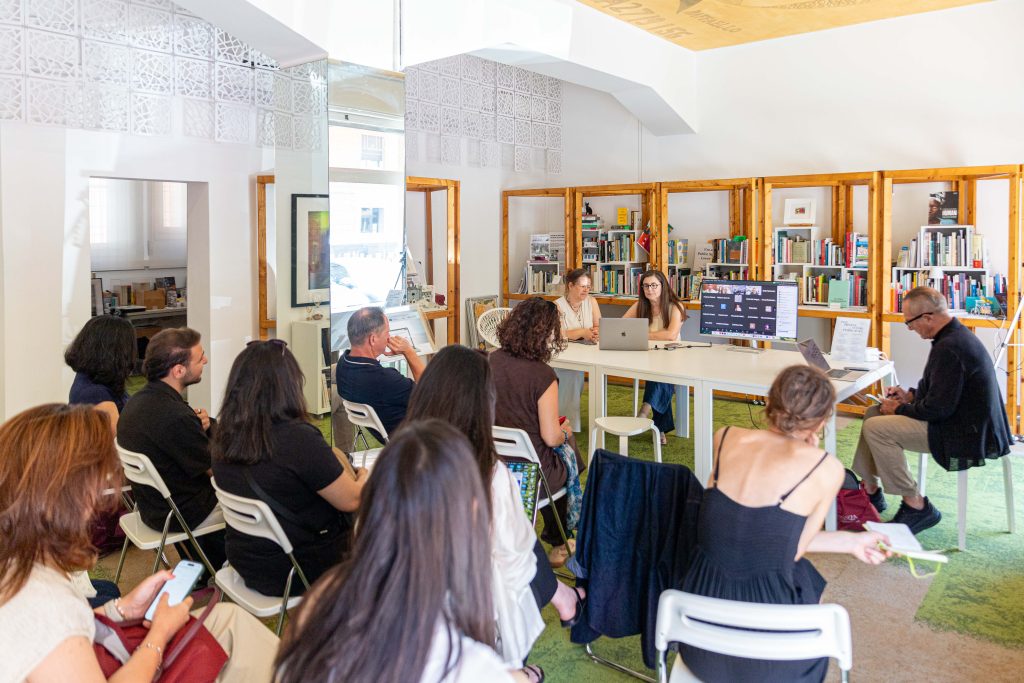
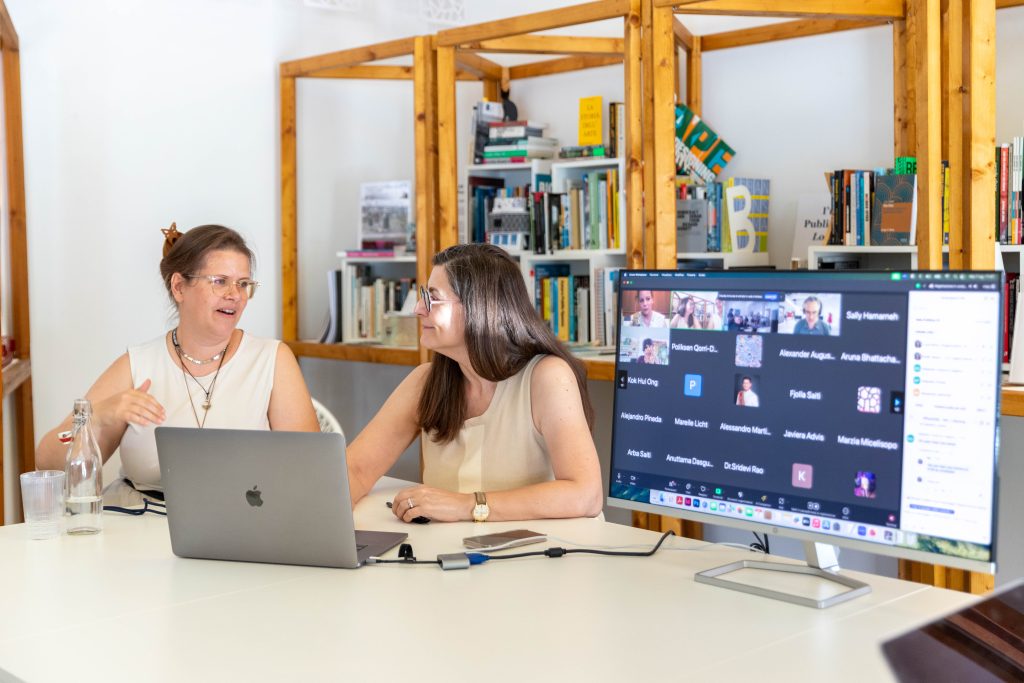
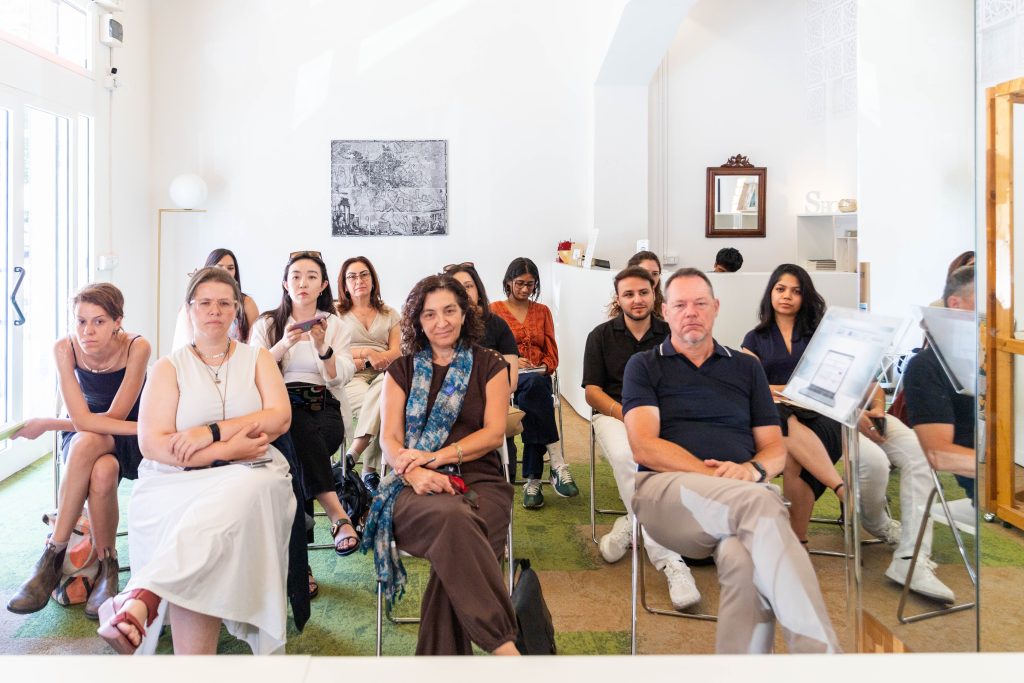
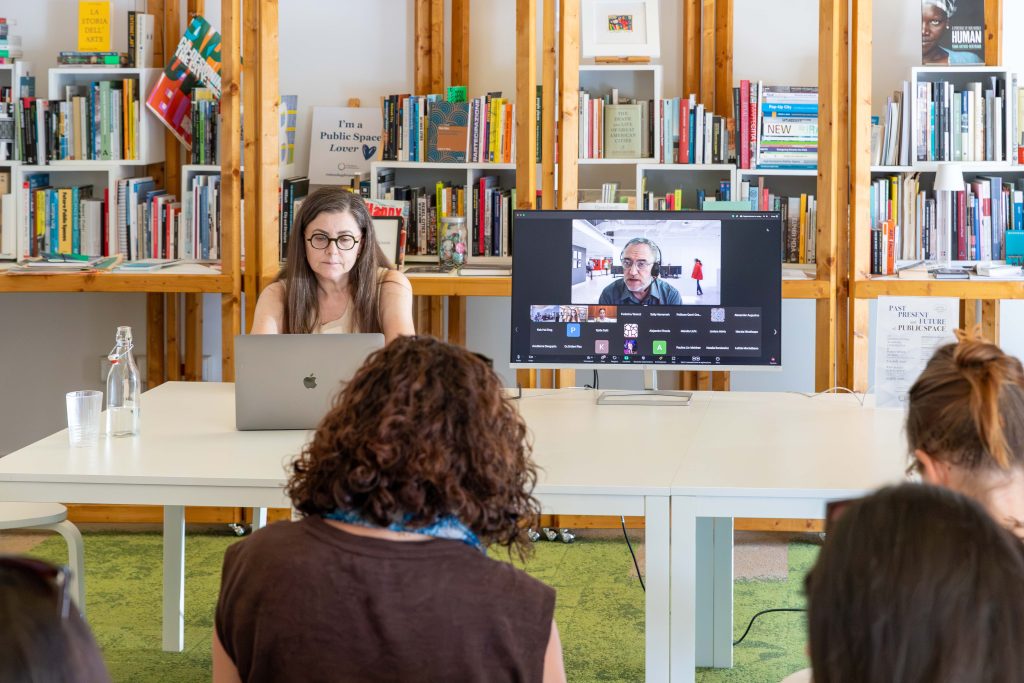
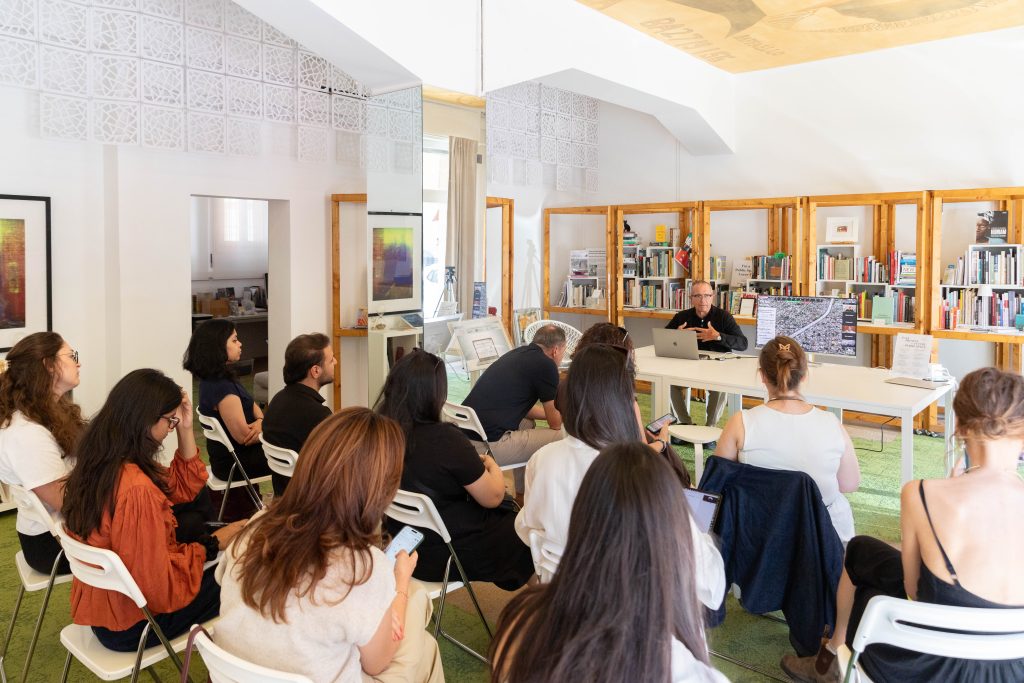
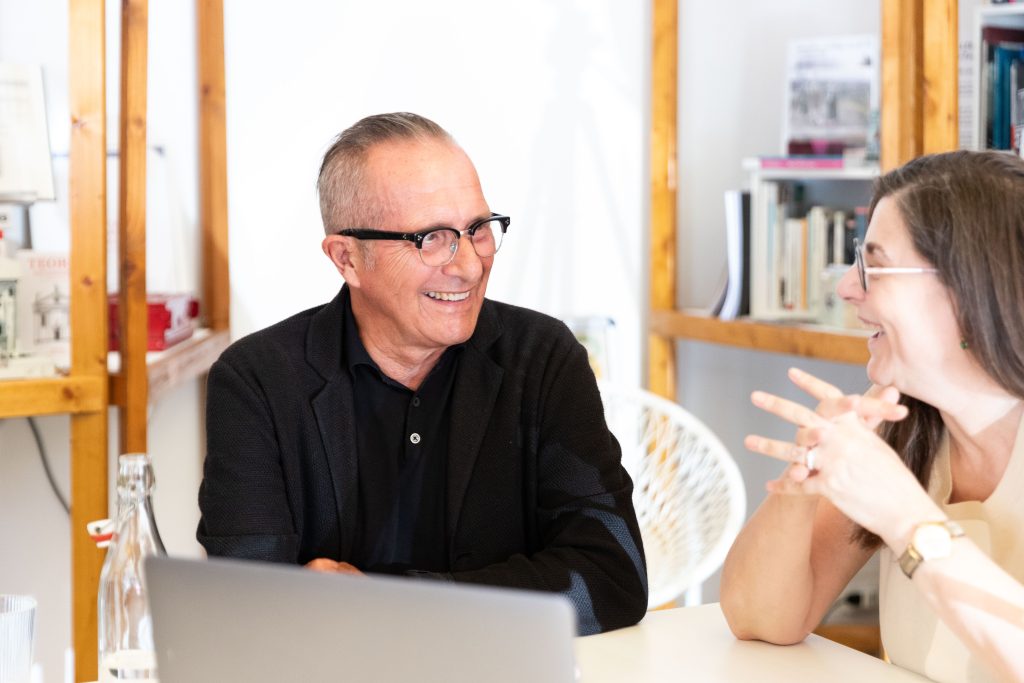
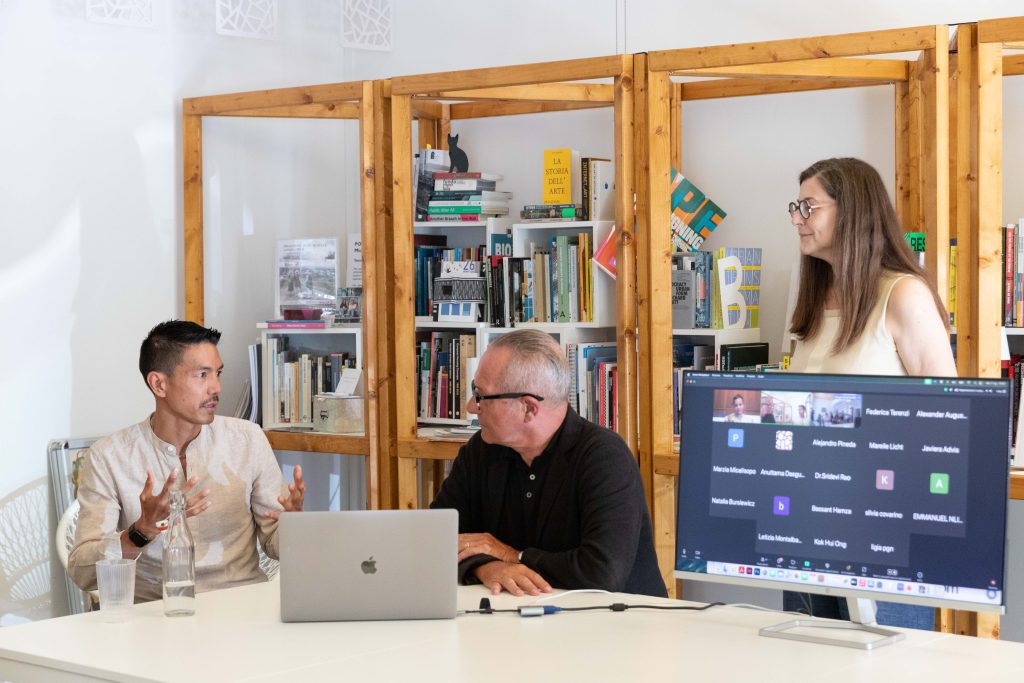
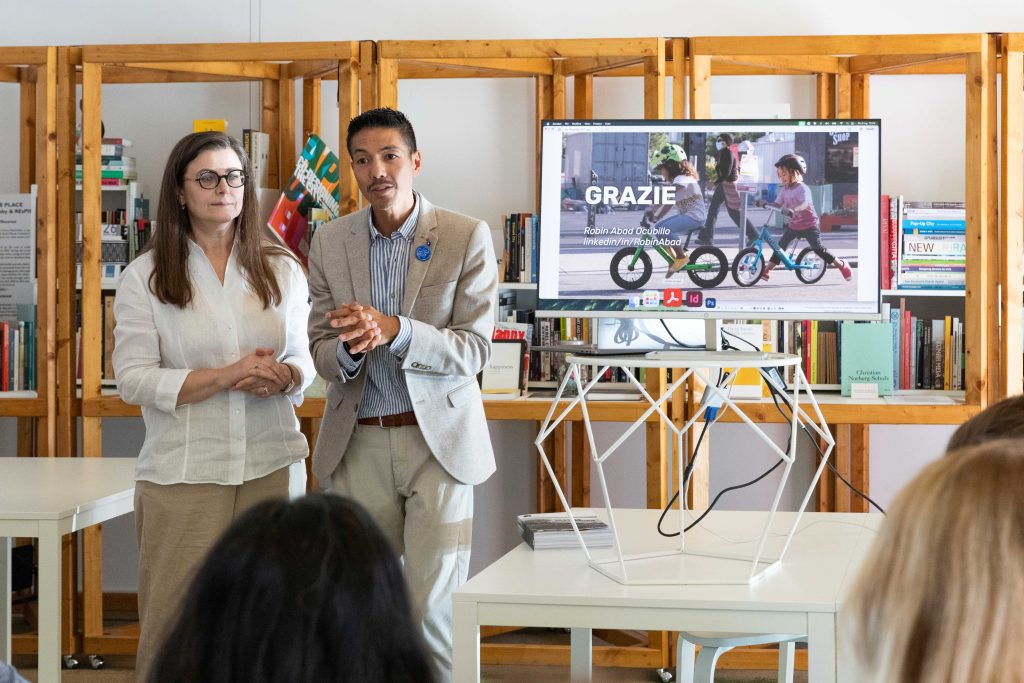
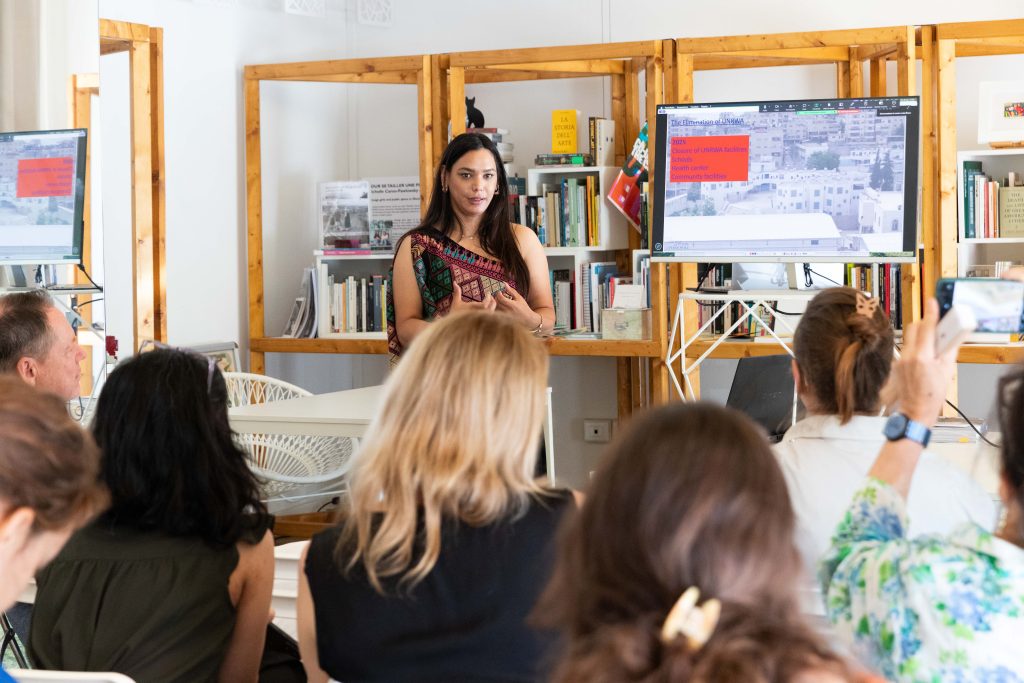
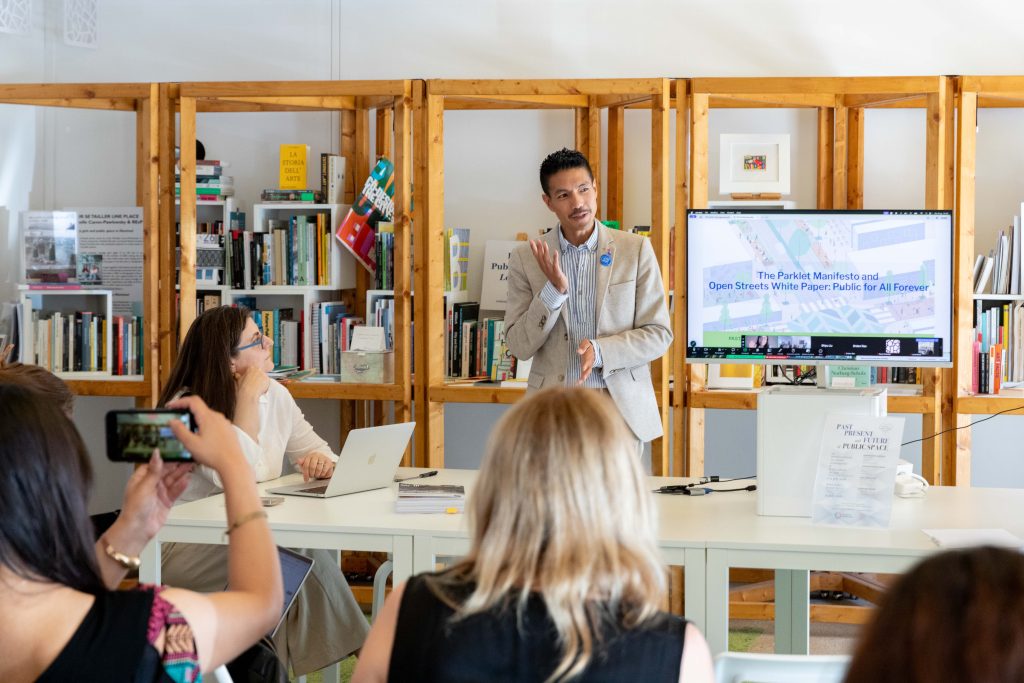
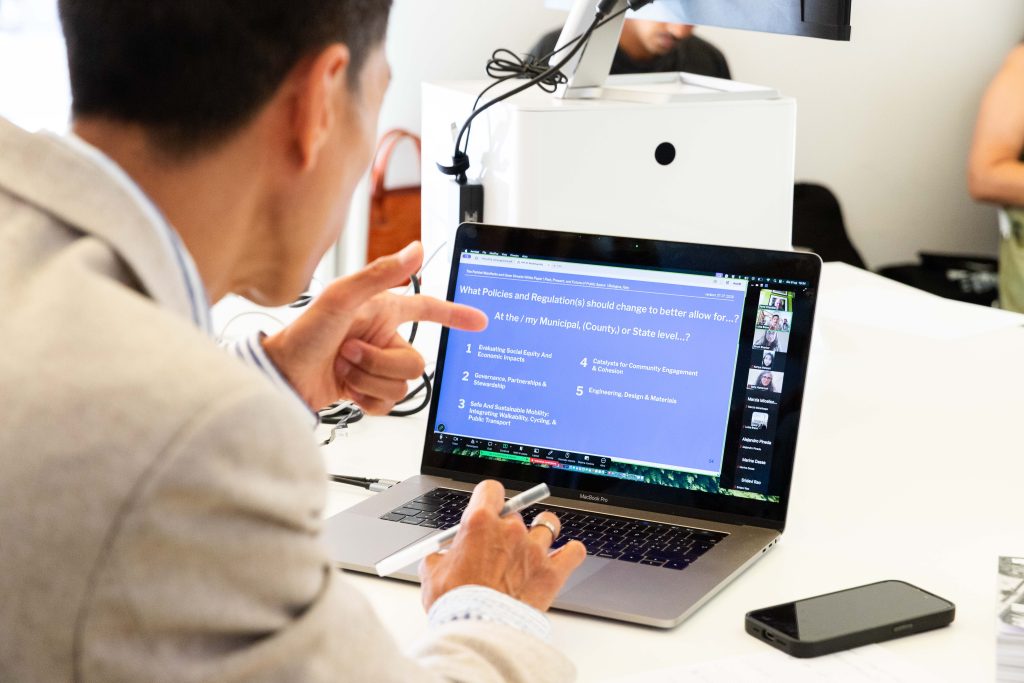
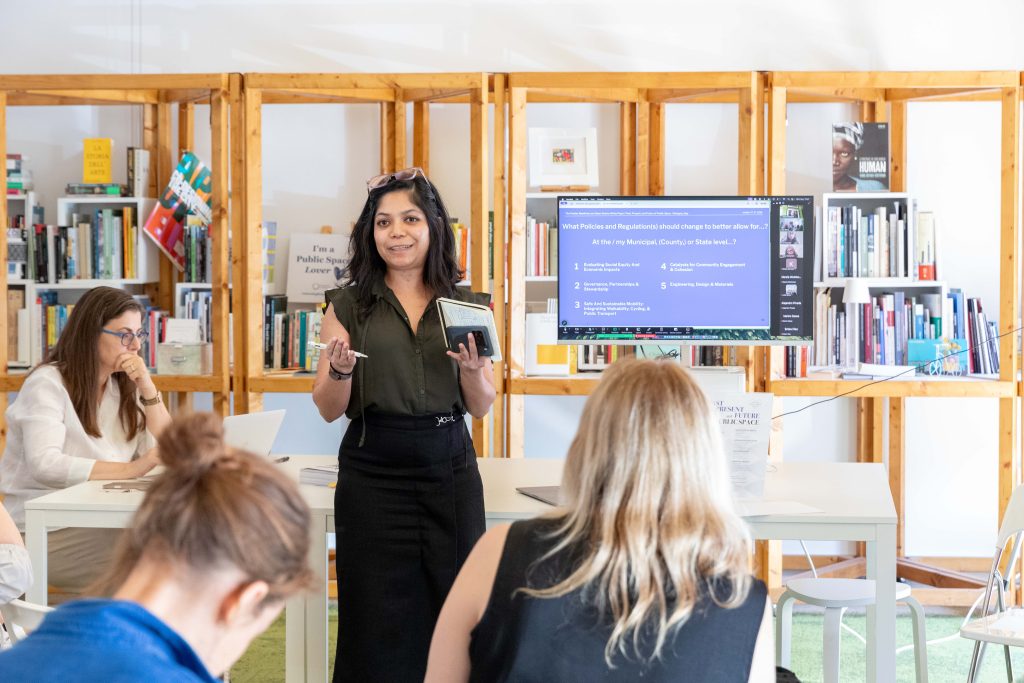
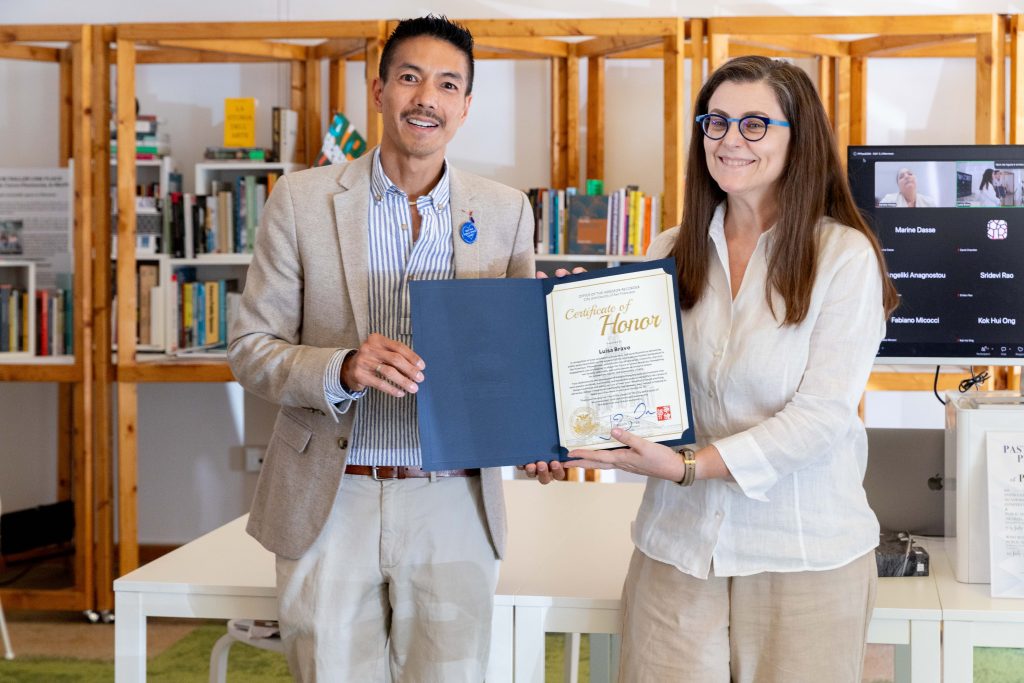
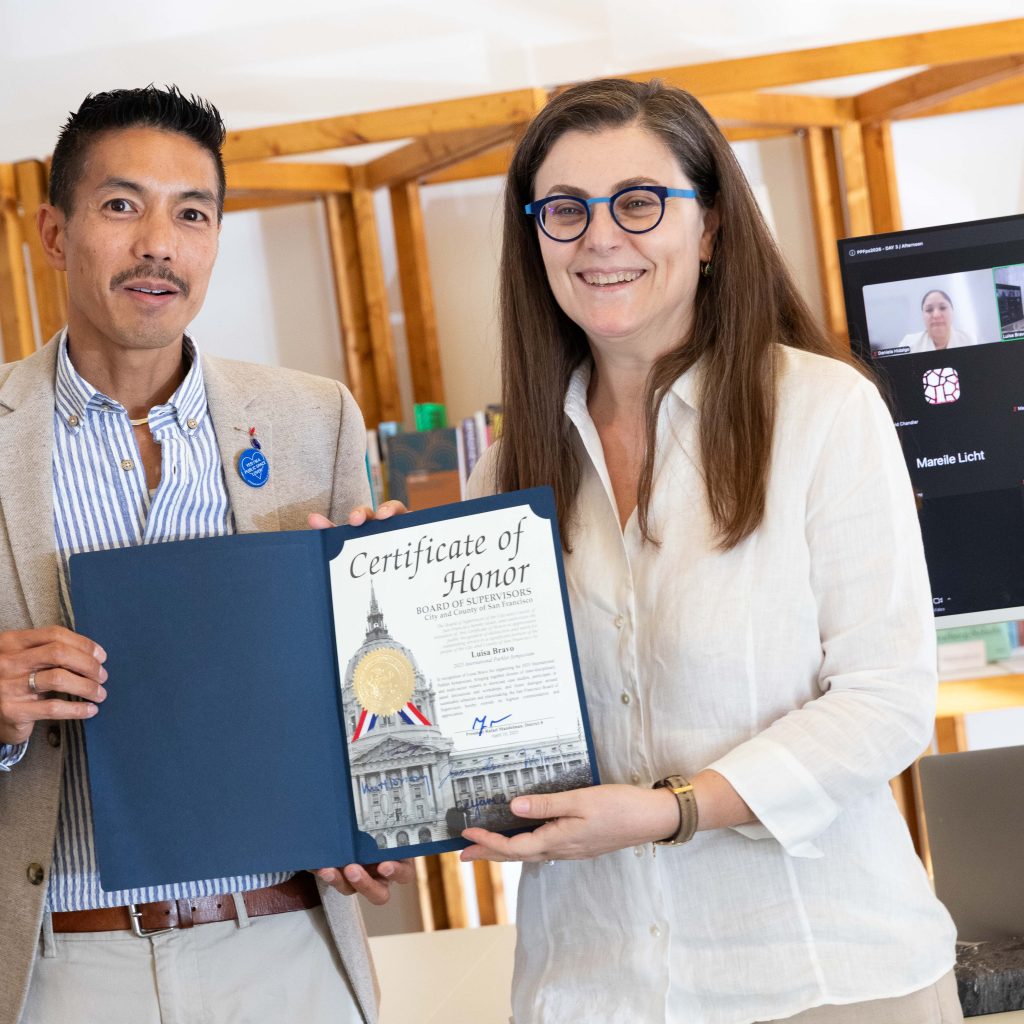
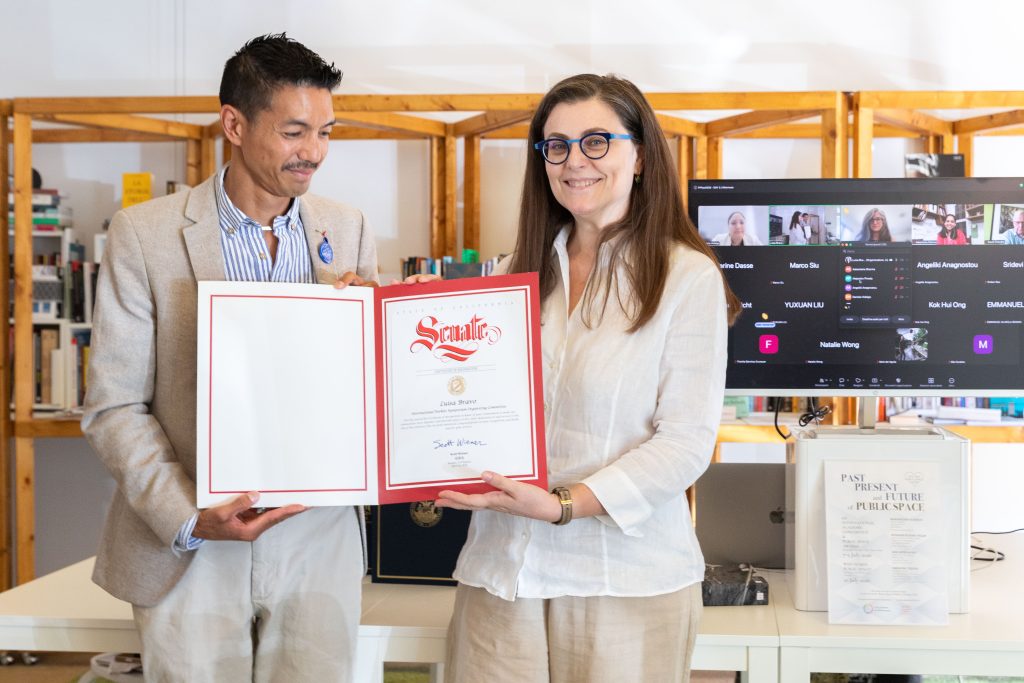
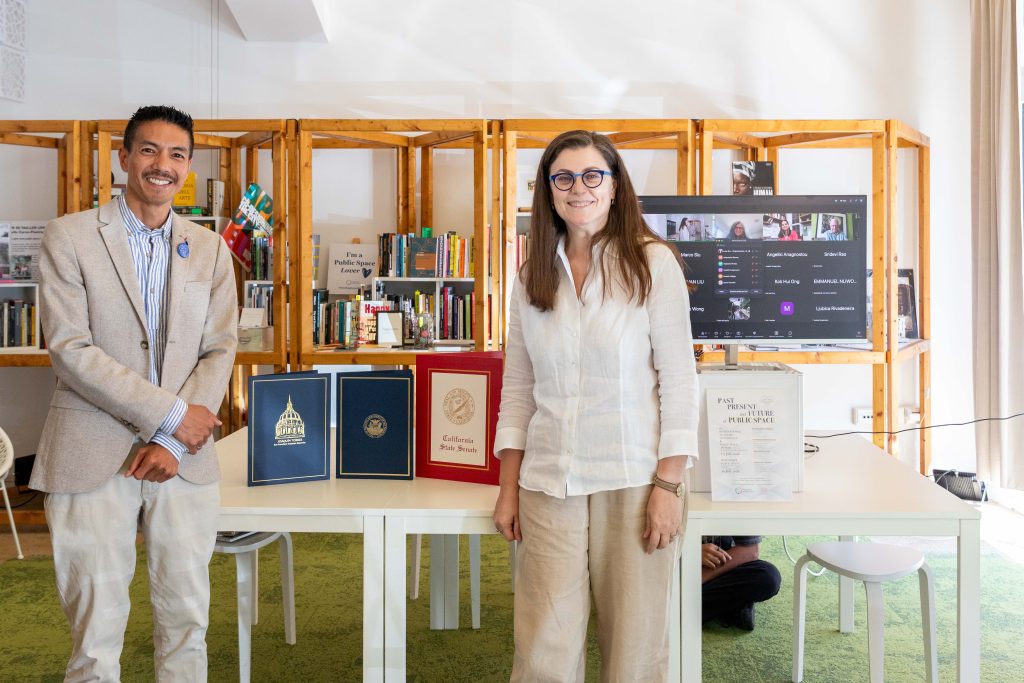
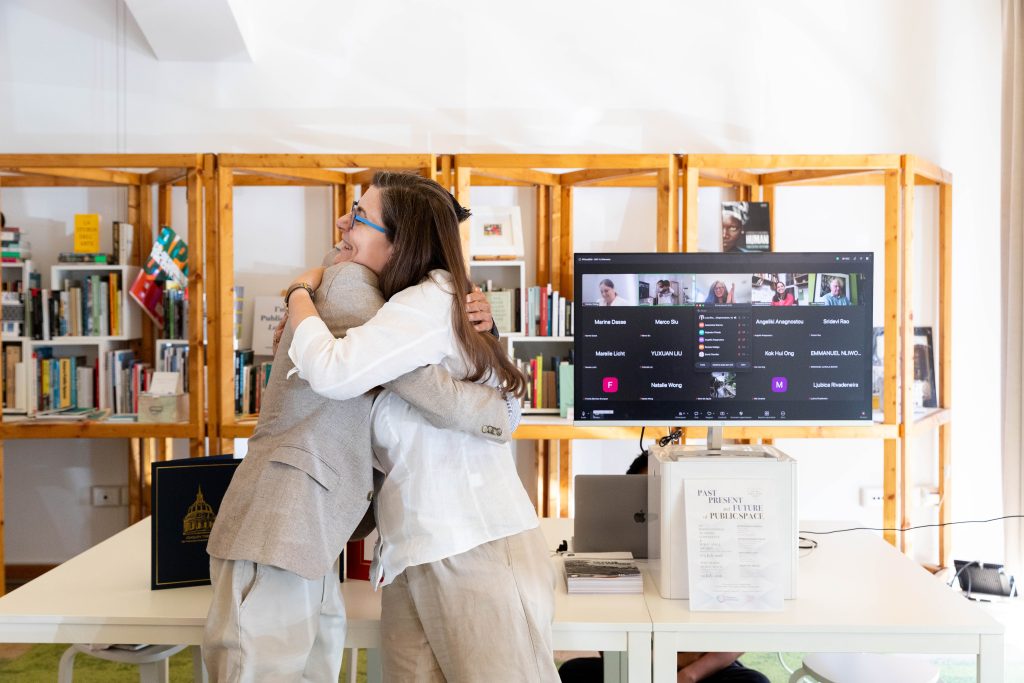
At the conference, our President Dr Luisa Bravo received recognition for her commitment to support and develop the programme of the International Parklet Symposium, that took place in Bologna (2024) and San Francisco (2025). She was awarded by Robin Abad Ocubillo, former public space policy-maker of the City of San Francisco (California, USA) with three Certificates of Honor issued by Joaquín Torres, San Francisco Assessor-Recorder, by the Board of Supervisors City and County of San Francisco, and by Senator Scott Wiener representing San Francisco and northern San Mateo County in the California State Senate.
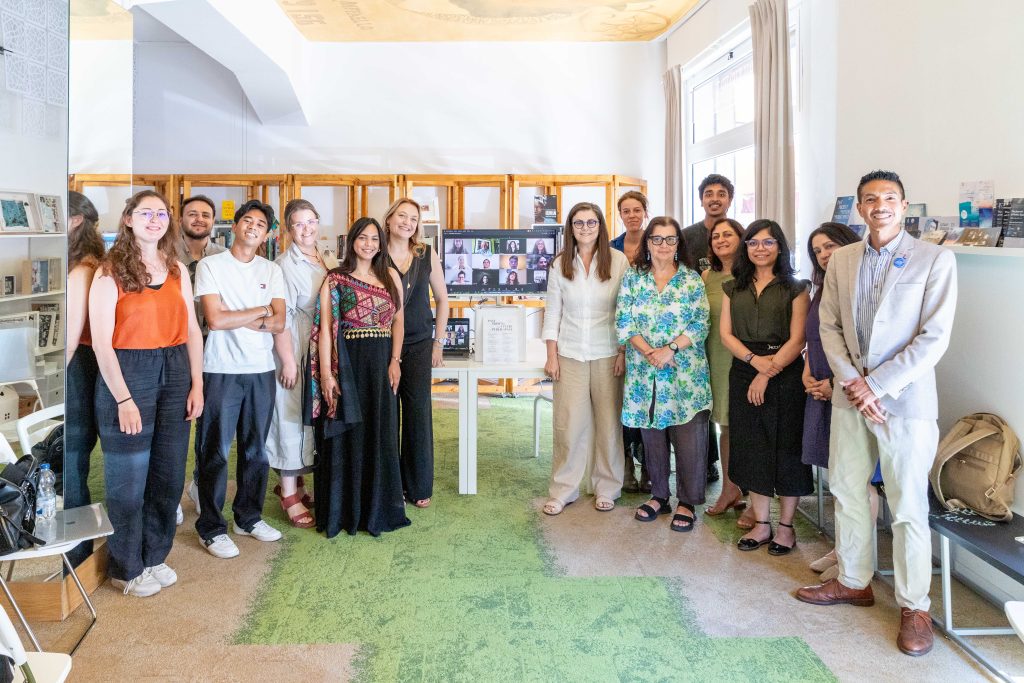
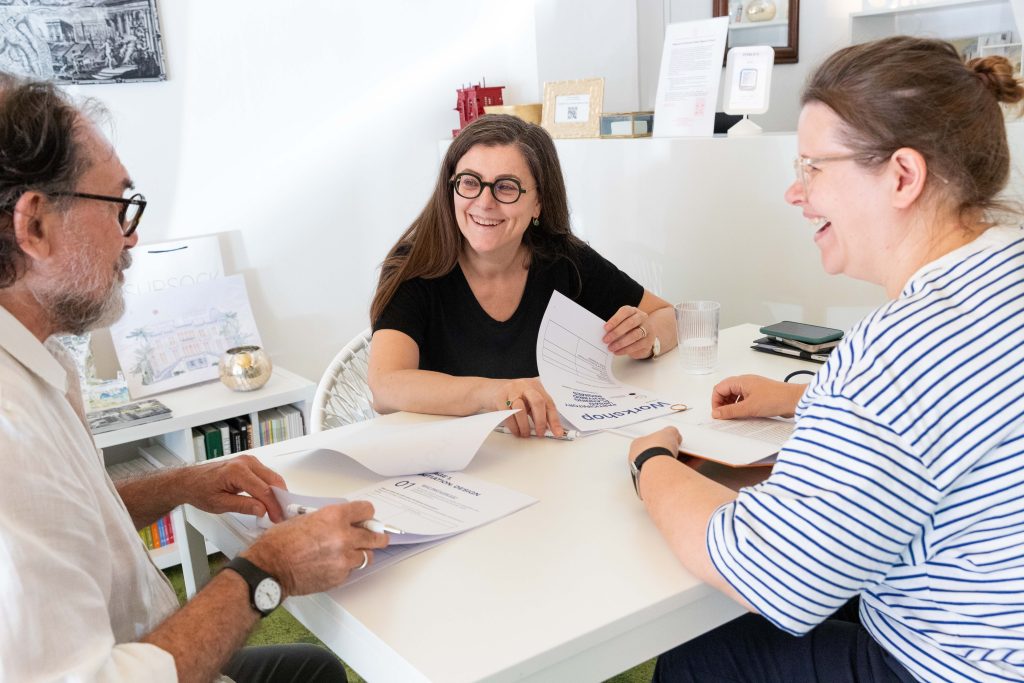
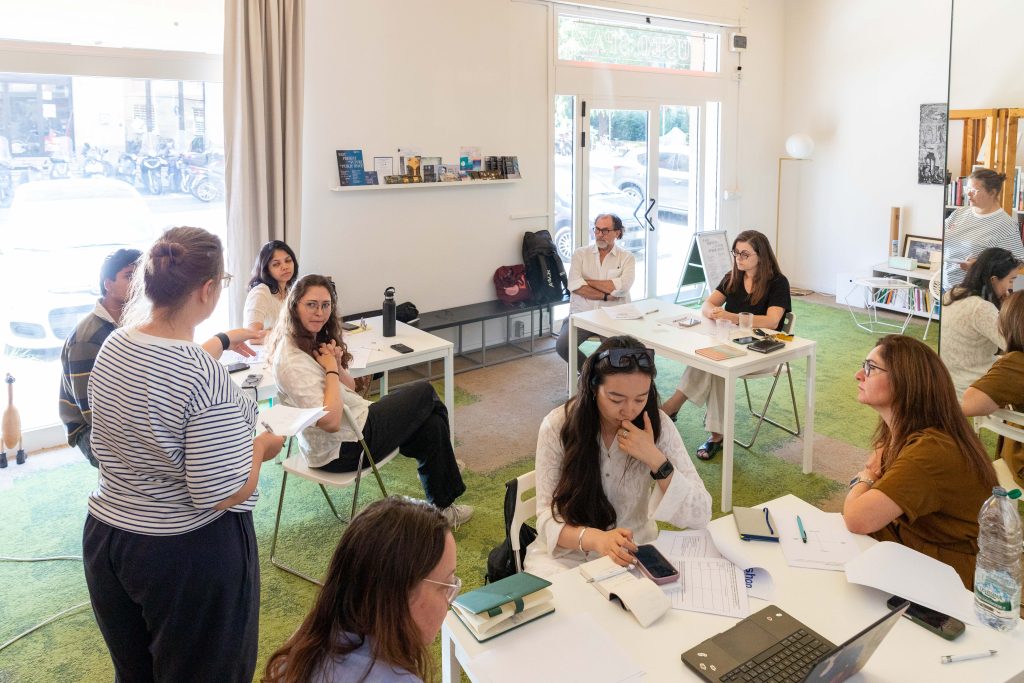
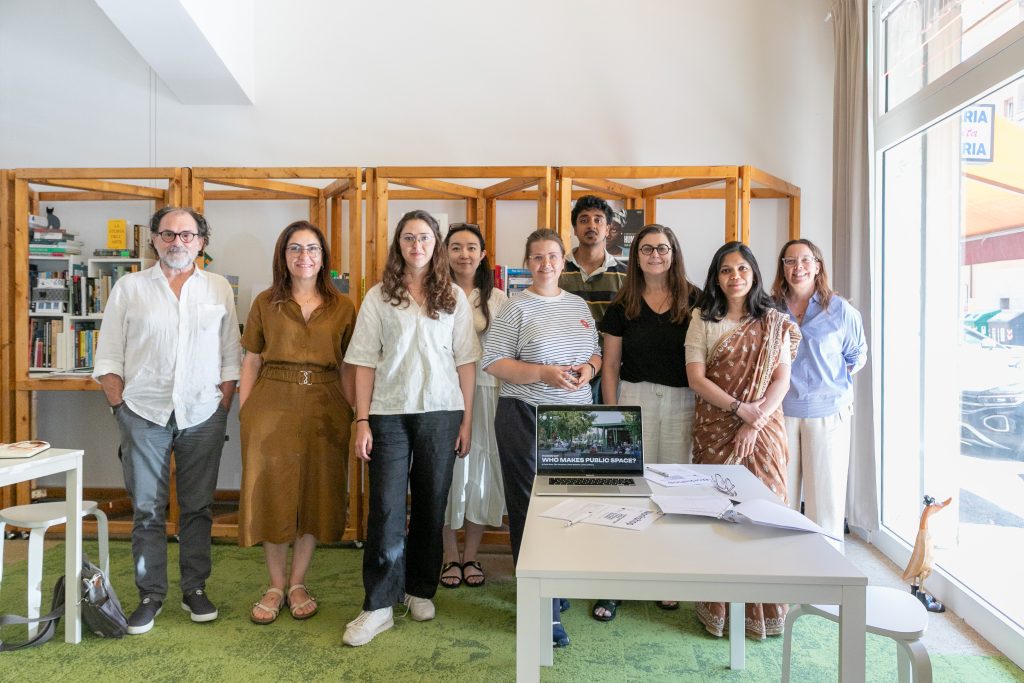
WORKSHOP OF THE PUBLIC SPACE ACADEMY
10 July 2026 at Museo Spazio Pubblico, Bologna, Italy
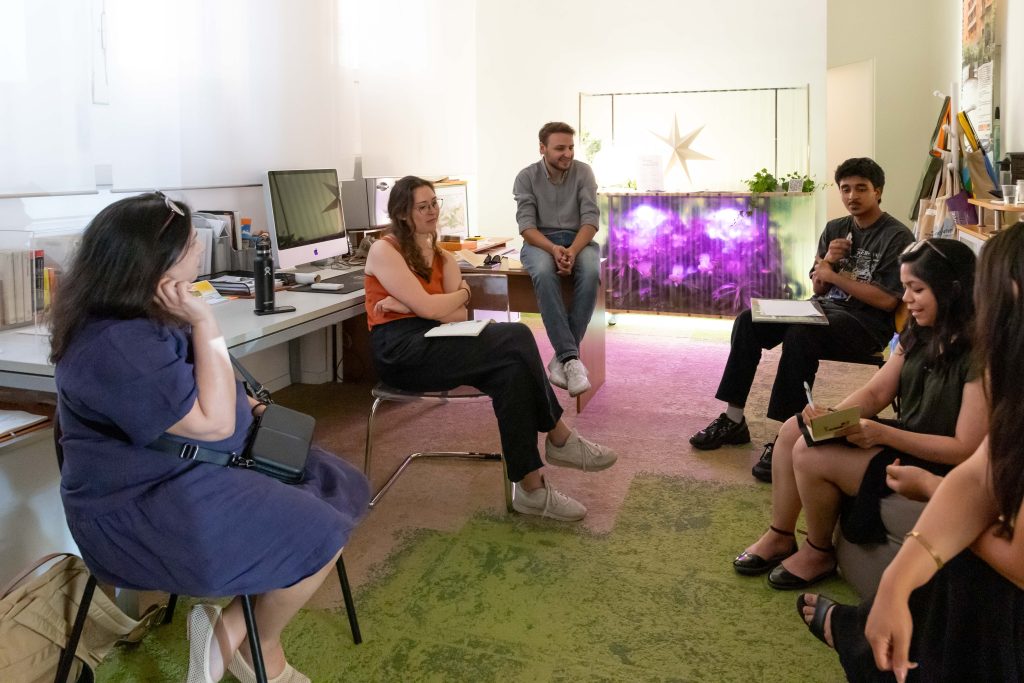
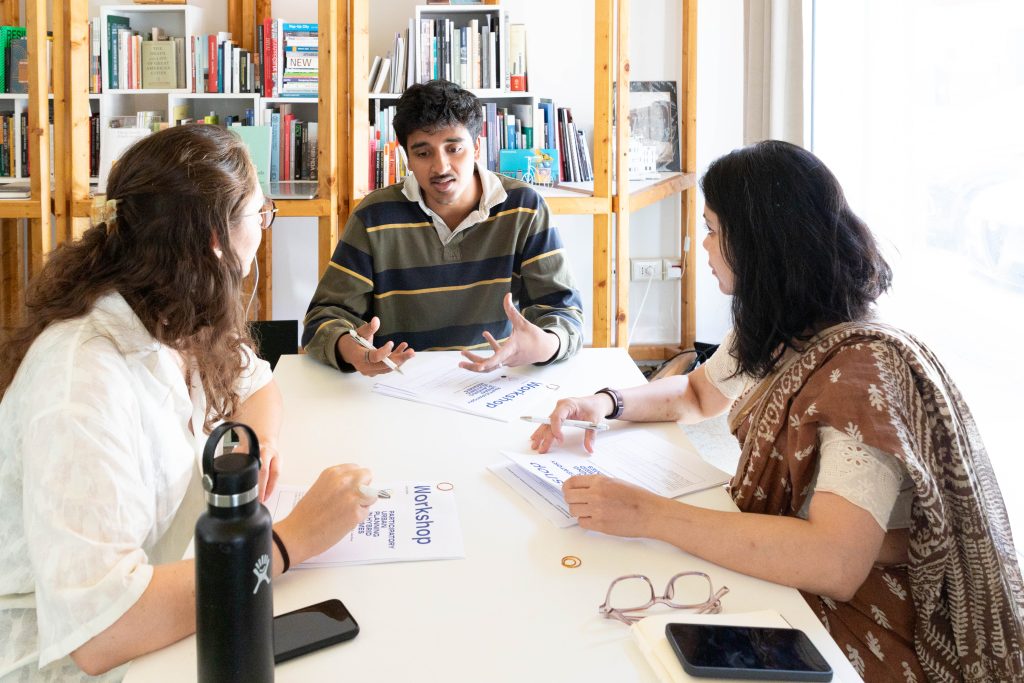
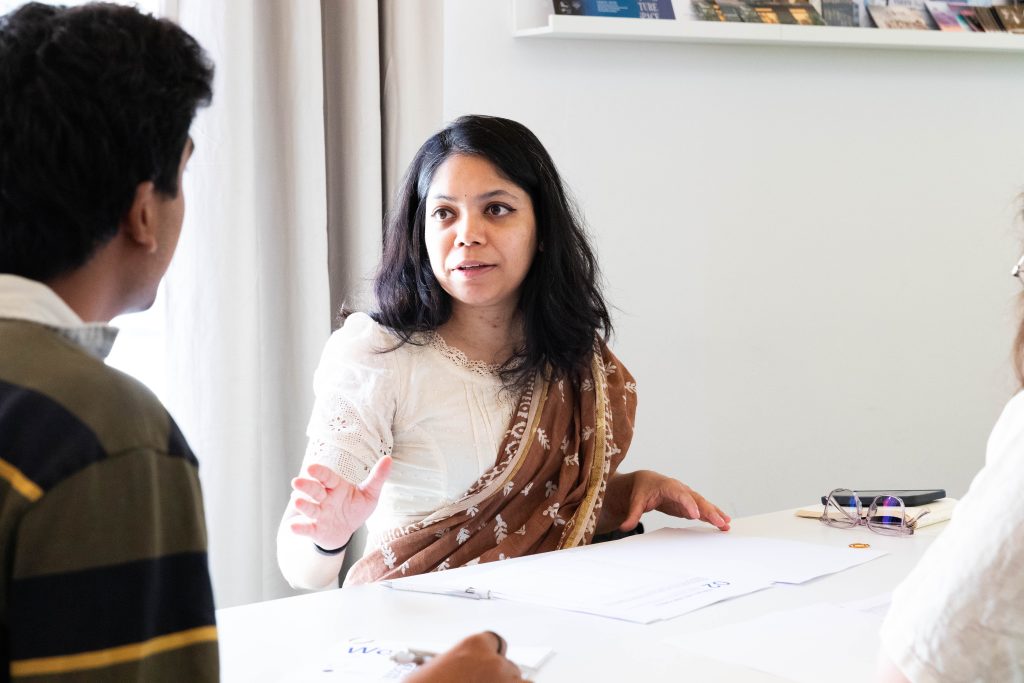
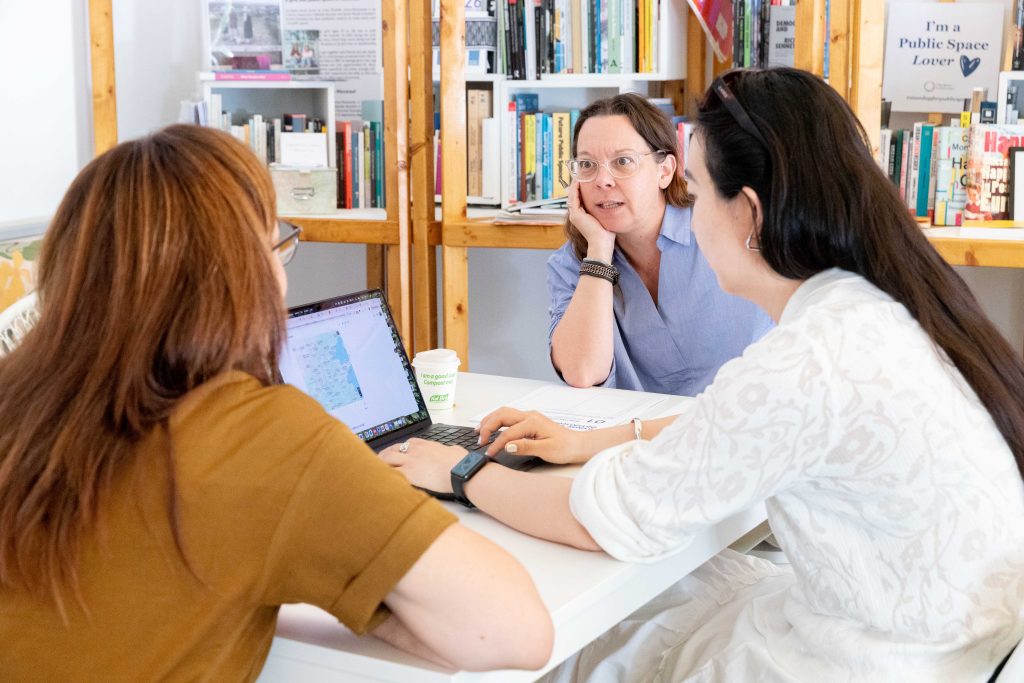
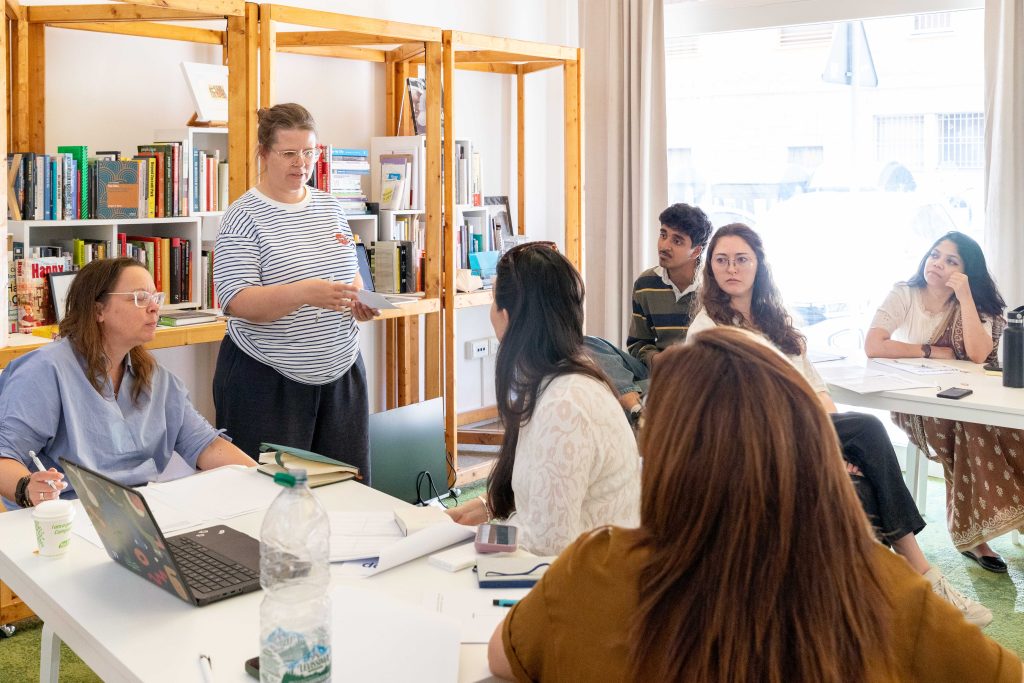
This one-day workshop of the Public Space Academy provided high-level training in the implementation of effective public space strategies for Master’s and PhD students, early-career researchers, and senior professionals.
Read about our previous workshops.
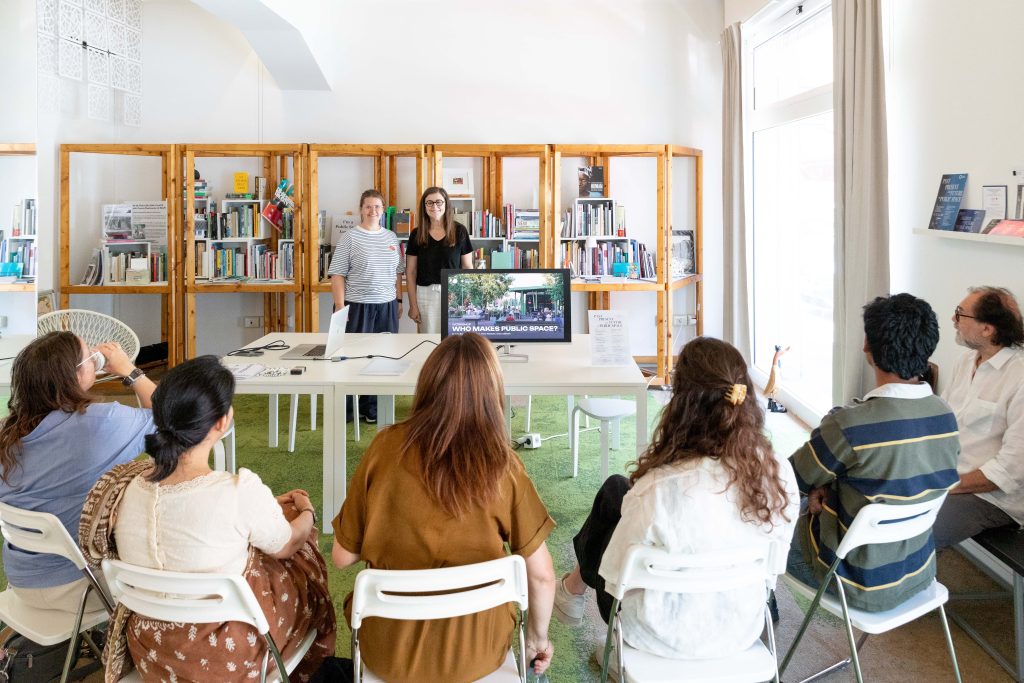
Who Makes Public Space?
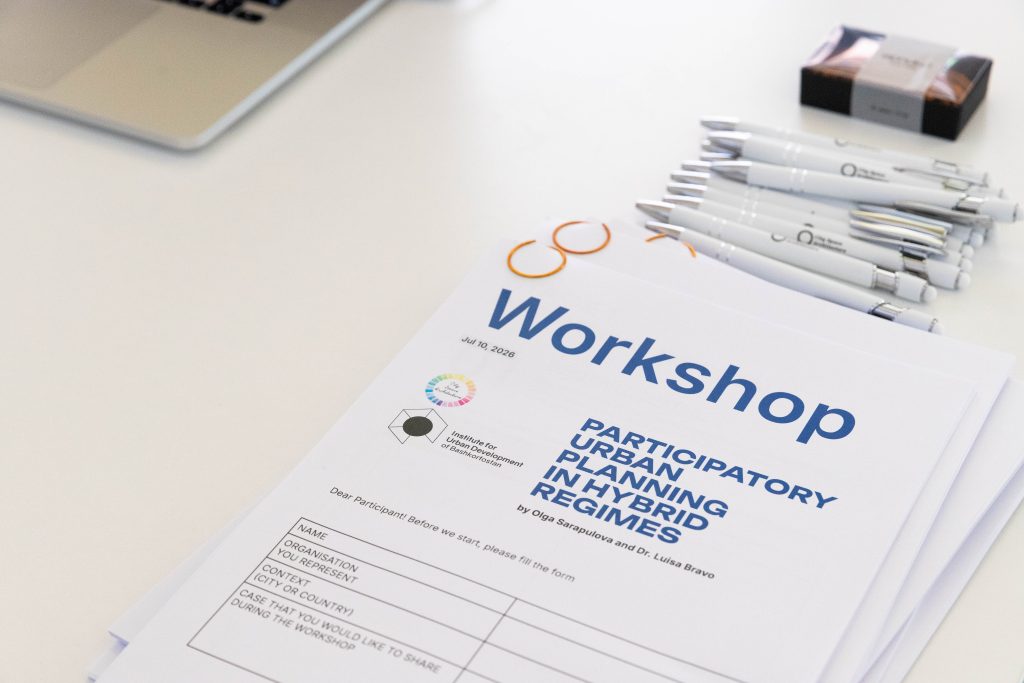
Co-led by Luisa Bravo, City Space Architecture (Italy) and Olga Sarapulova, Institute for Urban Development of Bashkortostan (Russia)
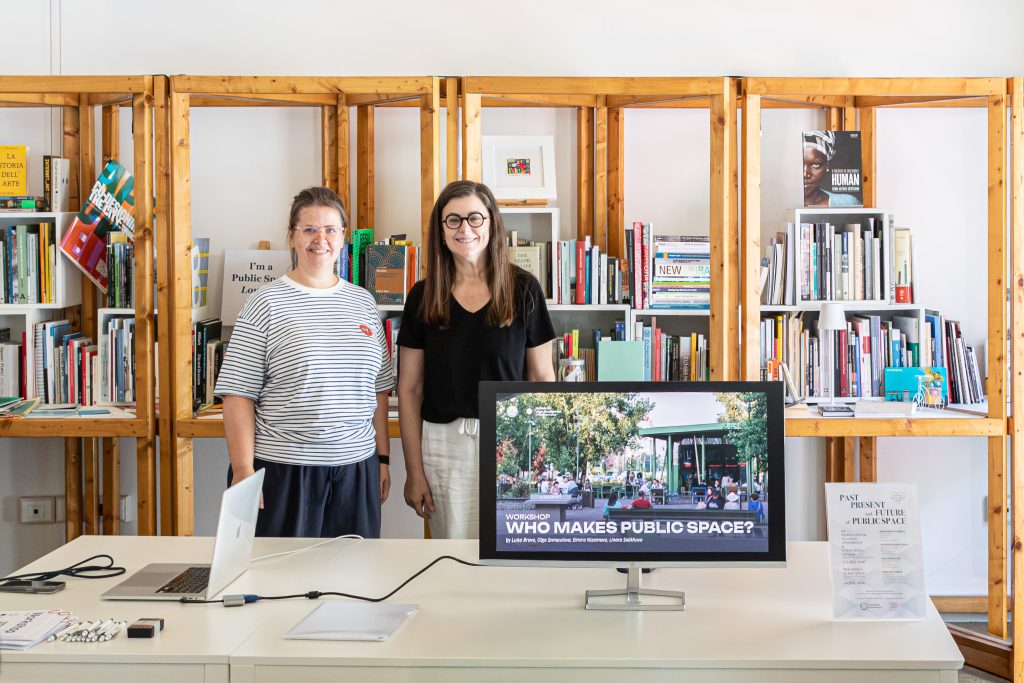
This workshop explores a central question for contemporary cities: who makes public space, and under what conditions can it become a common good? Building on the framework of Public-Private-People-Partnerships (4P democracy developed by Luisa Bravo), the workshop examines public space not as a finished product delivered by institutions or markets alone, but as a collective process shaped by negotiation, participation, care, and shared responsibility among multiple stakeholders.
The session starts from the premise that conventional public-private partnerships often fail to represent the full diversity of social interests, especially those of everyday users, local communities, and less empowered groups. In contrast, 4Pdemocracy recognizes people as substantial partners in urban development, alongside public authorities and private actors, and values both formal and informal relationships in the design, implementation, management, and long-term stewardship of a place.
Through this perspective, public space is understood as a lived arena of encounter, conflict, collaboration, and co-creation. It becomes a common good when communities do not simply access it, but actively participate in shaping its uses, rules, meanings, and maintenance over time. This process of commoning depends on openness, shared governance, and institutions of care capable of welcoming different voices while building trust across sectors.
By combining critical discussion with exchange of cases and practices, the workshop aims to advance a democratic understanding of public space as a co-produced and collectively maintained urban common. Yet in contexts where democratic principles are constrained, collaboration is rarely neutral or evenly initiated. It is often triggered by public institutions, international organizations, NGOs, or intermediary professionals who possess the capacity to create a temporary space for dialogue.
This raises a critical question: collaboration for whom, on whose terms, and with what limits on participation, dissent, and decision-making? The workshop critically examines how collaboration is initiated in contexts where democratic principles are constrained, asking which actors can convene stakeholders, under what authority, and how power asymmetries shape participation and outcomes.
Contact
City Space Architecture
Non-profit cultural association
Via Paolo G. Martini 26/d
40134 Bologna, ITALY
Mobile (WhatsApp) +39 331 4173672
www.cityspacearchitecture.org / https://www.cityspacearchitecture.community
Conference Chair Dr Luisa Bravo
luisa.bravo@cityspacearchitecture.org
General information: conference@cityspacearchitecture.org